

_________________________________
Daily Life During
The GreatDepression

_________________________________
Daily Life During
The GreatDepression
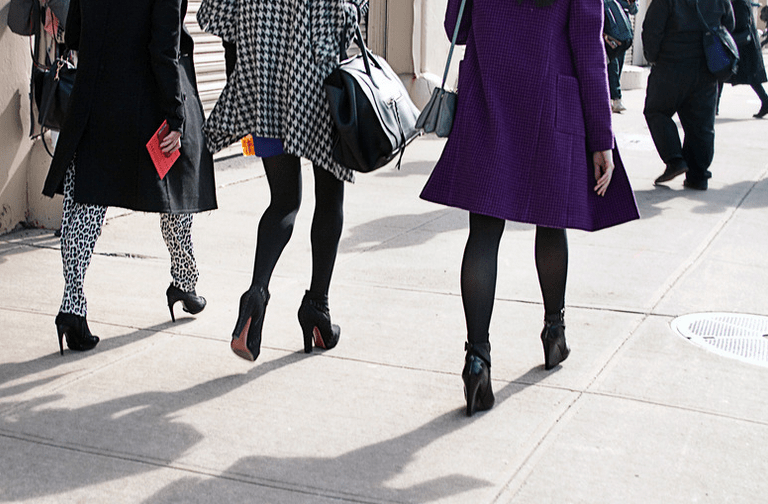
Streetwear has played an important role in the evolution of fashion throughout the years. It emerged in the late 1970s and early 1980s, initially influenced by skateboarding, hip-hop, and surf cultures. Brands like Stüssy, Supreme, and A Bathing Ape pioneered the movement, focusing on casual, comfortable clothing with bold graphics and logos.

Its popularity grew alongside the rise of urban youth culture, as it offered a way to express individuality and rebellion against mainstream fashion norms. Celebrities and musicians further popularized streetwear, wearing brands like Nike, Adidas, and Vans both on and off stage.
Streetwear has adapted to changing cultural trends and technological advancements.
Mainstream Acceptance: What was once considered a niche subculture has now become mainstream, with luxury fashion houses incorporating streetwear elements into their collections and high-profile collaborations between streetwear brands and traditional fashion labels.
Diversification: Streetwear has diversified beyond its original roots in skateboarding and hip-hop culture to encompass a wide range of influences, including punk, grunge, and even high fashion. This diversification has led to the emergence of various substyles within streetwear, such as techwear, vintage-inspired fashion, and athleisure.
Globalization: Streetwear is no longer confined to specific geographic regions but has become a global phenomenon, with enthusiasts and brands from around the world contributing to its evolution and spread.

Innovation: Advances in technology and manufacturing techniques have led to innovations in streetwear design, materials, and functionality. This includes the use of sustainable materials, 3D printing, and performance-enhancing fabrics in streetwear garments.
Influence of Social Media: Social media platforms like Instagram, TikTok, and YouTube have played a significant role in shaping and amplifying streetwear culture, allowing enthusiasts to connect, share inspiration, and discover new brands and trends.
Gender Neutrality: There’s been a shift towards gender-neutral and unisex streetwear, with many brands offering inclusive sizing and designs that cater to a diverse range of body types and identities.
Collaborations and Limited Edition Drops: Collaborations between streetwear brands, artists, musicians, and even corporate entities have become increasingly common, resulting in highly sought-after limited edition releases and exclusive collections.
Overall, streetwear continues to evolve and adapt, reflecting the ever-changing tastes and influences of its diverse community of enthusiasts.
Today, people still wear streetwear for its comfort, versatility, and its association with authenticity and self-expression. It has evolved to encompass a wide range of styles, from high-end designer collaborations to DIY aesthetics, making it accessible to people from various backgrounds. 🇲🇾Additionally, the influence of social media has fueled its continued popularity, allowing enthusiasts to connect and showcase their personal style online. Streetwear is still fashionable due to its influence on modern styles today.
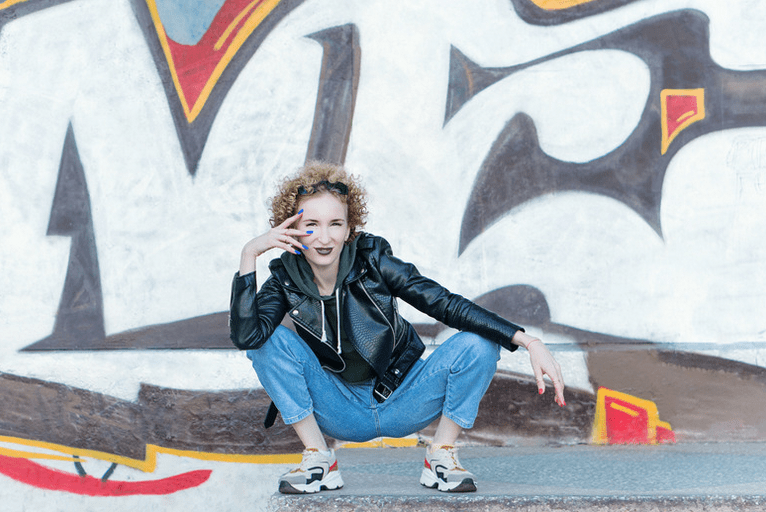
Vintage T-Shirts and Jeans are highly sought after in boutiques and thrift stores. Here are key details to look for in jeans through the decades.
1920s
Jeans from this area were high-waisted jeans with a loose, straight leg. You’ll see suspender buttons or side cinch straps instead of belt loops. Trousers were made from raw, selvedge denim with minimal branding. The pants were worn for work, not for style.
1930s
In the 30’s jeans were high-rise at the waist with a wider leg. Check for cinch-backs, which were adjustable straps at the back of the waistband. You’ll see single-needle stitching and donut buttons.
1940s
From this era, jeans were mid-rise with a straight leg. Patch pockets and a button fly were the typical style. The standardized denim used at the time didn’t shrink as much as raw denim.

1950s
In the 50’s jeans were back to high rise with a slim, tapered leg. Zippers replace the a button fly. And, the red tab on the back pocket, indicated the iconic Levi’s brand.
1960s
By the 60s low rise was the rebellion style with a slim, straight leg. A light wash with faded or distressed details were the trendy look. Levi change its logo and a small “e” on the red tab is present on jeans from the 60’s.
1970s
In this decade, jeans remain low rise but the flared leg or “bell bottom” was all the rage. Decorative stitching, embroidery, or patchwork were also popular. Jeans made in the 70’s have some stretch denim for a more fitted look.
1980s
In the 80s the style shifted back to high-rise with a straight or slightly tapered leg.
Acid-wash or stone-wash finishes were very popular during this decade.
Logo brands were prominently displayed on the back pocket.
1990s
Back in the 90’s, jeans were mid-rise with a relaxed, baggy fit. Wide legs or bootcut styles were the new trend. Distressed or ripped details were introduced by the grunge crowd.

By understanding the key characteristics of jeans from each decade, you can better identify and appreciate the unique features of vintage jeans while shopping.
 fashionpastforward.com