

One of the most iconic styles for women in the 60’s was the Mod girl. The mod girl was a cultural icon that emerged from the Mod (short for Modernist) subculture in the UK, primarily centered in London. The movement began in the late 1950s and gained significant momentum in the early to mid-1960s. This style had many key characteristics.
Hair and Makeup: The mod look often included dramatic eye makeup, such as thick eyeliner and mascara to create a doe-eyed effect, and pale lips.
Transportation: Scooters, particularly the Italian-made Vespa and Lambretta, were popular among mods and symbolized their love of modernity and efficiency.

The culture impact and influence of this style helped to represent a significant shift towards modernity and youth culture and a break from traditional fashion and social norms.
Cinema-films like “Blow-Up” (1966) captured the mod aesthetic and lifestyle, showcasing the fashion, music, and attitude of the time.
Legacy: The mod girl influenced later fashion and music movements, such as the 1970s punk scene and the 1980s mod revival. The look and spirit of the mod girl continue to inspire designers and pop culture to this day.
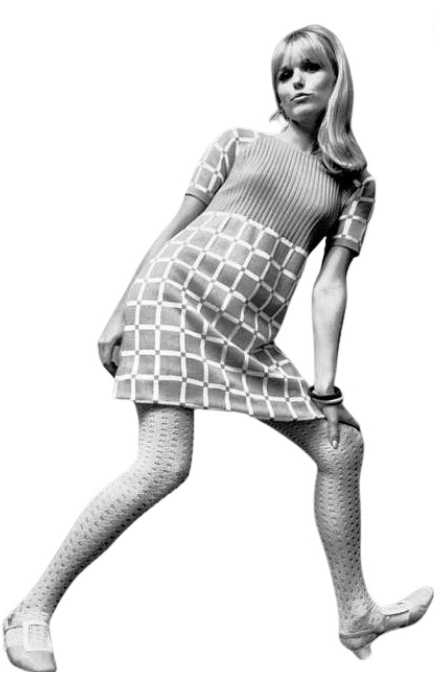
Fashion: Mod girls were known for their distinctive and innovative fashion sense. They favored bold, bright colors, geometric patterns, and clean lines. Key items included mini skirts, shift dresses, tailored suits, and go-go boots. Influences came from designers like Mary Quant and André Courrèges.
Music: The mod culture was deeply intertwined with music, especially British bands like The Who, The Kinks, and later The Small Faces. The Motown sound from America also heavily influenced the scene.
Lifestyle: Mod girls were characterized by their androgynous and sleek hairstyles, often styled in bobs or pixie cuts. They embraced a youthful, energetic, and somewhat rebellious lifestyle that was a departure from the more conservative norms of the 1950s.
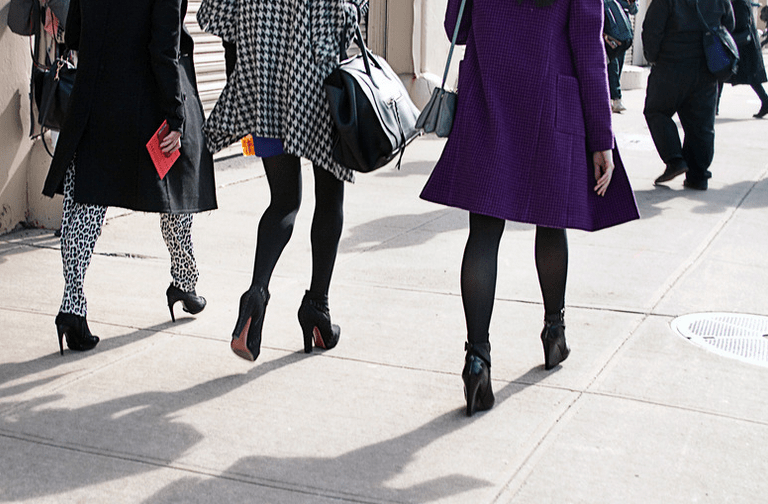
The 60s mod style has had a lasting impact on contemporary fashion, influencing various elements that are still prevalent today.
Modern Adaptations: The mini skirt, popularized by Mary Quant, remains a staple in women’s fashion. Shift dresses, characterized by their simple, straight lines, are also frequently seen in modern collections, valued for their versatility and ease of wear.
Bold Patterns and Colors in Modern Trends: The bold, geometric patterns and bright colors of the 60s mod style continue to inspire designers. Contemporary fashion often incorporates these elements, especially in spring and summer collections, to add a vibrant and youthful touch.
Tailored Silhouettes in Current Fashion: The mod emphasis on sharp, tailored lines can be seen in modern suits and outerwear. Tailored blazers, slim-fit trousers, and structured coats are popular, reflecting the clean, sleek look that mod fashion championed.
Androgynous Fashion in Today’s Gender-Neutral Trends: The androgynous aesthetic of the mod style, with women wearing trousers and unisex clothing, has influenced the growing trend towards gender-neutral fashion. Modern designers often create collections that blur traditional gender lines.
Iconic Footwear in Current Styles: Go-go boots, particularly the knee-high white versions, have made several comebacks in fashion. Ankle boots and other mod-inspired footwear continue to be popular, embodying both retro charm and contemporary chic.
Hair and Makeup in Modern Beauty Trends: The dramatic eye makeup of the 60s mod girl, including thick eyeliner and mascara, remains a beauty staple. Sleek, geometric hairstyles like bobs and pixie cuts are frequently revived in current hair styling.
The 60s mod style has left an indelible mark on today’s fashion, with its key elements continuously being reinterpreted and adapted, ensuring its enduring legacy.






 fashionpastforward.com