Uncategorized

3-2-1 VINTAGE

A quick weekly read with
3 places to shop, 2 vintage trends to follow and 1 quote to inspire

👗 @vintoriousvintage is a proud member of @vintagefashionguild with 3 decades experience in curating vintage clothing and accessories with no intention of stopping. Her obsession is your gain. International buyers are welcome. Right now you’ll find pretty summer dresses, trending western wear and vintage jewelry. Browse and buy.

👗 @the_trendy_treadle 
Melodie’s sewing skills began next to her mother watching her sew at a young age. Later on, she studied design, flat pattern and draping in college. For over 20 years she designed wedding dresses, professional clothing and alterations. Today she continues her passion by sewing from vintage patterns and selling on etsy. Browsing through her aprons takes you back in time.

👗 @fashionairevintage started her business in her tiny Brooklyn apartment. Now, through her Etsy shop she helps customers mix vintage into a modern wardrobe in style. She works in Costume 829 by day and sells/repairs vintage by night. Stunning hats, drama dresses and summer casuals are found in her Etsy shop.

2️⃣ TRENDS 👀
👜 East-West handbag. Big totes are best at the beach, but for day and evening slim down to this 50’s inspired long and lean bag. Look for that unique shape, clasp or handle. Don’t buy new, there are many to be found in vintage shops and estate sales. 🛍️Vintage Shop Owners: if you have east-west bags comment below.

☮️ bohemian-chic beaded jewelry and playful charm necklaces are a good choice for summer 2025. But for evening go get your grandmas vintage pearls. Perfect on a tanned neckline. 
🛍️Vintage Shop Owners: if you have fun charms and necklaces tell us about in the comment.

1️⃣ QUOTE 🎤
📣”“I always find beauty in things that are odd and imperfect, they are much more interesting.” Marc Jacobs

#vintage #vintagefashion #vintagestyle #vintagetrends #vintageshoppers #marcjacobs #charms #vintagejewelry #bohemian-chic #eastwesthandbag  #3-2-1

Uncategorized

The History of the 1960’s Mod Style

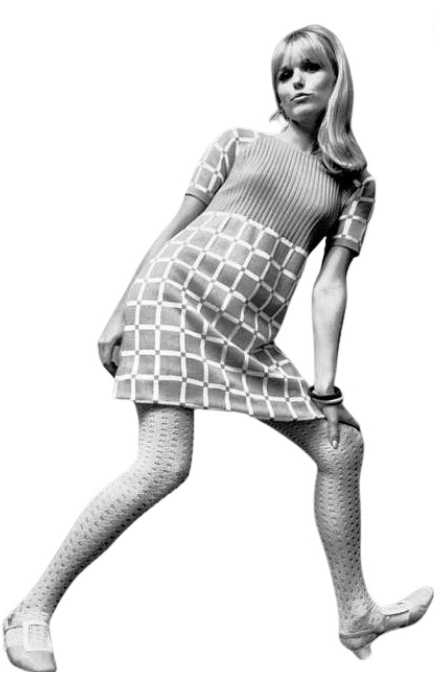
One of the most iconic styles for women in the 60’s was the Mod girl. The mod girl was a cultural icon that emerged from the Mod (short for Modernist) subculture in the UK, primarily centered in London. The movement began in the late 1950s and gained significant momentum in the early to mid-1960s. This style had many key characteristics.

Hair and Makeup: The mod look often included dramatic eye makeup, such as thick eyeliner and mascara to create a doe-eyed effect, and pale lips.
Transportation: Scooters, particularly the Italian-made Vespa and Lambretta, were popular among mods and symbolized their love of modernity and efficiency.

The culture impact and influence of this style helped to represent a significant shift towards modernity and youth culture and a break from traditional fashion and social norms.

Cinema-films like “Blow-Up” (1966) captured the mod aesthetic and lifestyle, showcasing the fashion, music, and attitude of the time.
Legacy: The mod girl influenced later fashion and music movements, such as the 1970s punk scene and the 1980s mod revival. The look and spirit of the mod girl continue to inspire designers and pop culture to this day.

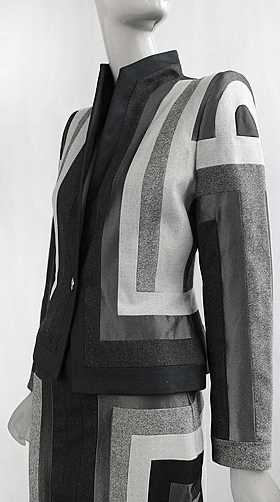
Fashion: Mod girls were known for their distinctive and innovative fashion sense. They favored bold, bright colors, geometric patterns, and clean lines. Key items included mini skirts, shift dresses, tailored suits, and go-go boots. Influences came from designers like Mary Quant and André Courrèges.
Music: The mod culture was deeply intertwined with music, especially British bands like The Who, The Kinks, and later The Small Faces. The Motown sound from America also heavily influenced the scene.
Lifestyle: Mod girls were characterized by their androgynous and sleek hairstyles, often styled in bobs or pixie cuts. They embraced a youthful, energetic, and somewhat rebellious lifestyle that was a departure from the more conservative norms of the 1950s.

The 60s mod style has had a lasting impact on contemporary fashion, influencing various elements that are still prevalent today.

Modern Adaptations: The mini skirt, popularized by Mary Quant, remains a staple in women’s fashion. Shift dresses, characterized by their simple, straight lines, are also frequently seen in modern collections, valued for their versatility and ease of wear.

Bold Patterns and Colors in Modern Trends: The bold, geometric patterns and bright colors of the 60s mod style continue to inspire designers. Contemporary fashion often incorporates these elements, especially in spring and summer collections, to add a vibrant and youthful touch.

Tailored Silhouettes in Current Fashion: The mod emphasis on sharp, tailored lines can be seen in modern suits and outerwear. Tailored blazers, slim-fit trousers, and structured coats are popular, reflecting the clean, sleek look that mod fashion championed.

Androgynous Fashion in Today’s Gender-Neutral Trends: The androgynous aesthetic of the mod style, with women wearing trousers and unisex clothing, has influenced the growing trend towards gender-neutral fashion. Modern designers often create collections that blur traditional gender lines.


Iconic Footwear in Current Styles: Go-go boots, particularly the knee-high white versions, have made several comebacks in fashion. Ankle boots and other mod-inspired footwear continue to be popular, embodying both retro charm and contemporary chic.

Hair and Makeup in Modern Beauty Trends: The dramatic eye makeup of the 60s mod girl, including thick eyeliner and mascara, remains a beauty staple. Sleek, geometric hairstyles like bobs and pixie cuts are frequently revived in current hair styling.

The 60s mod style has left an indelible mark on today’s fashion, with its key elements continuously being reinterpreted and adapted, ensuring its enduring legacy.

Uncategorized

Evolution of Streetwear: From Subculture to Mainstream

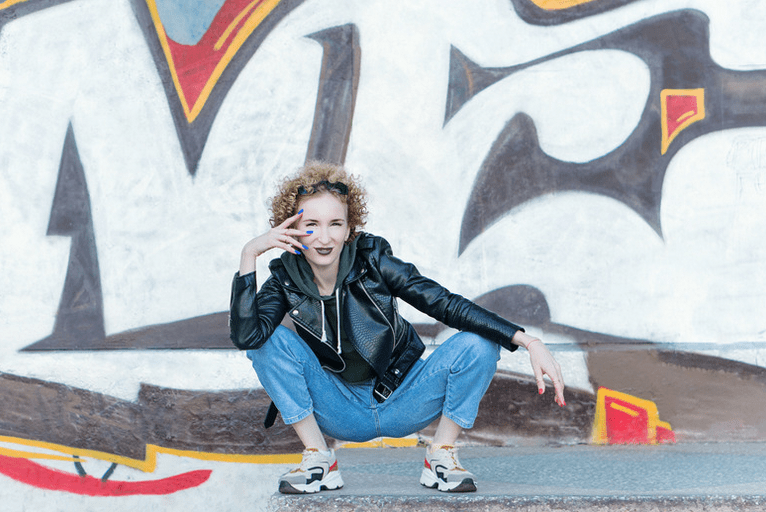
Streetwear has played an important role in the evolution of fashion throughout the years. It emerged in the late 1970s and early 1980s, initially influenced by skateboarding, hip-hop, and surf cultures. Brands like Stüssy, Supreme, and A Bathing Ape pioneered the movement, focusing on casual, comfortable clothing with bold graphics and logos.

Its popularity grew alongside the rise of urban youth culture, as it offered a way to express individuality and rebellion against mainstream fashion norms. Celebrities and musicians further popularized streetwear, wearing brands like Nike, Adidas, and Vans both on and off stage.

Streetwear has adapted to changing cultural trends and technological advancements.

Mainstream Acceptance: What was once considered a niche subculture has now become mainstream, with luxury fashion houses incorporating streetwear elements into their collections and high-profile collaborations between streetwear brands and traditional fashion labels.

Diversification: Streetwear has diversified beyond its original roots in skateboarding and hip-hop culture to encompass a wide range of influences, including punk, grunge, and even high fashion. This diversification has led to the emergence of various substyles within streetwear, such as techwear, vintage-inspired fashion, and athleisure.

Globalization: Streetwear is no longer confined to specific geographic regions but has become a global phenomenon, with enthusiasts and brands from around the world contributing to its evolution and spread.

Innovation: Advances in technology and manufacturing techniques have led to innovations in streetwear design, materials, and functionality. This includes the use of sustainable materials, 3D printing, and performance-enhancing fabrics in streetwear garments.

Influence of Social Media: Social media platforms like Instagram, TikTok, and YouTube have played a significant role in shaping and amplifying streetwear culture, allowing enthusiasts to connect, share inspiration, and discover new brands and trends.

Gender Neutrality: There’s been a shift towards gender-neutral and unisex streetwear, with many brands offering inclusive sizing and designs that cater to a diverse range of body types and identities.

Collaborations and Limited Edition Drops: Collaborations between streetwear brands, artists, musicians, and even corporate entities have become increasingly common, resulting in highly sought-after limited edition releases and exclusive collections.

Overall, streetwear continues to evolve and adapt, reflecting the ever-changing tastes and influences of its diverse community of enthusiasts.

Today, people still wear streetwear for its comfort, versatility, and its association with authenticity and self-expression. It has evolved to encompass a wide range of styles, from high-end designer collaborations to DIY aesthetics, making it accessible to people from various backgrounds. 🇲🇾Additionally, the influence of social media has fueled its continued popularity, allowing enthusiasts to connect and showcase their personal style online. Streetwear is still fashionable due to its influence on modern styles today.

Uncategorized

History Of The LBD

The little black dress, or LBD has always been a classic staple wardrobe piece for any occasion. But have you ever wondered how the LBD was created and who popularized it?

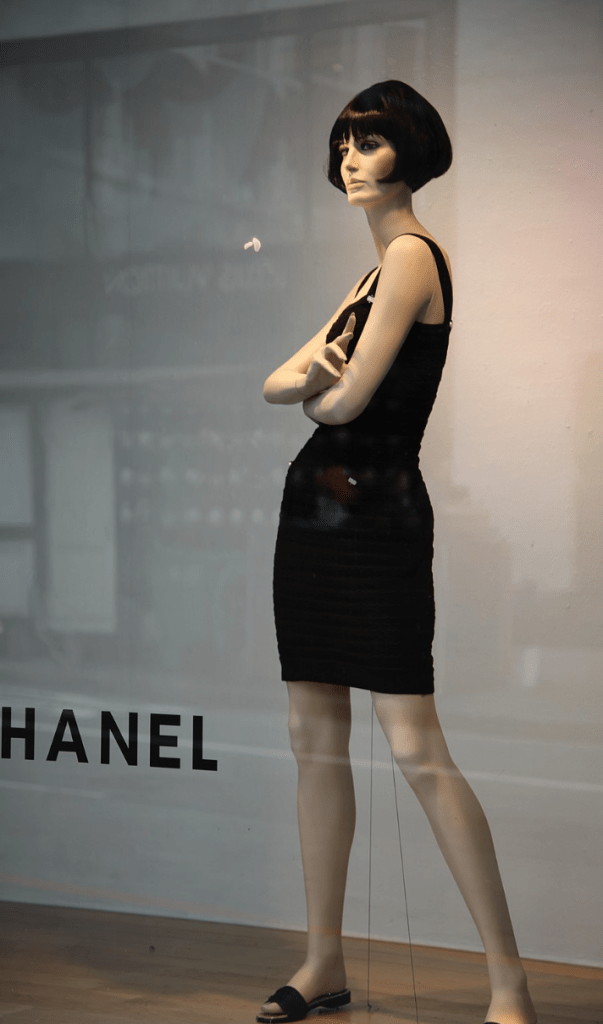
The little black dress, or LBD, became iconic thanks to Coco Chanel in the 1920s. Chanel created the little black dress in response to the need for a versatile and timeless garment that could be accessible to women of all social classes. Before Chanel’s innovation, black was primarily associated with mourning or reserved for evening wear. Chanel aimed to challenge these conventions by introducing black as a chic and practical option for everyday attire. By designing a simple, elegant, and understated dress in black, she revolutionized women’s fashion, offering a garment that was both sophisticated, versatile, and suitable for a wide range of occasions. Chanel’s little black dress embodied her philosophy of blending style with comfort and functionality, making it an enduring symbol of modernity and empowerment. It symbolized simplicity, versatility, and elegance, breaking away from the ornate styles of the time. Its enduring status as a classic is due to its timeless simplicity, versatility, and ability to adapt to various occasions and personal styles. It remains a staple in women’s wardrobes because it can be dressed up or down, making it suitable for almost any event or setting. Its minimalist design allows it to transcend trends, ensuring its relevance and elegance for generations to come.

Over the decades, it evolved. The LBD has been worn by countless celebrities and transcends trends by remaining a timeless fashion piece. While its core elements of simplicity and versatility have remained consistent, variations in silhouette, fabric, and embellishments have emerged to keep it fresh and relevant.

  • Silhouette: From the flapper-style straight silhouette of the 1920s to the figure-hugging sheath dresses of the 1950s, the silhouette of the little black dress has evolved to reflect the prevailing fashion aesthetics of each era.
  • Fabric: While the original little black dresses were often made of crepe or wool, modern variations may feature a wide range of fabrics, including silk, satin, lace, or even leather, adding texture and depth to the design.
  • Length and Hemlines: Hemlines have fluctuated over the years, ranging from the knee-length styles of the mid-20th century to mini or maxi lengths. High-low hems and asymmetrical designs have also been incorporated to add visual interest.
  • Necklines and Details: Necklines have varied from classic boat necks and V-necks to more daring plunging or off-the-shoulder styles. Additionally, designers have experimented with embellishments such as sequins, beads, lace overlays, and sheer panels to add flair to the timeless silhouette.

Despite these variations, the essence of the little black dress as a chic, versatile wardrobe staple has remained constant, ensuring its continued relevance in the ever-changing world of fashion.

Uncategorized

Denim Through the Decades

Vintage T-Shirts and Jeans are highly sought after in boutiques and thrift stores. Here are key details to look for in jeans through the decades.

1920s
Jeans from this area were high-waisted jeans with a loose, straight leg. You’ll see suspender buttons or side cinch straps instead of belt loops. Trousers were made from raw, selvedge denim with minimal branding. The pants were worn for work, not for style.

1930s
In the 30’s jeans were high-rise at the waist with a wider leg. Check for cinch-backs, which were adjustable straps at the back of the waistband. You’ll see single-needle stitching and donut buttons.

1940s
From this era, jeans were mid-rise with a straight leg. Patch pockets and a button fly were the typical style. The standardized denim used at the time didn’t shrink as much as raw denim.

Photo by Pixabay on Pexels.com

1950s
In the 50’s jeans were back to high rise with a slim, tapered leg. Zippers replace the a button fly. And, the red tab on the back pocket, indicated the iconic Levi’s brand.

1960s
By the 60s low rise was the rebellion style with a slim, straight leg. A light wash with faded or distressed details were the trendy look. Levi change its logo and a small “e” on the red tab is present on jeans from the 60’s.

1970s
In this decade, jeans remain low rise but the flared leg or “bell bottom” was all the rage. Decorative stitching, embroidery, or patchwork were also popular. Jeans made in the 70’s have some stretch denim for a more fitted look.

1980s
In the 80s the style shifted back to high-rise with a straight or slightly tapered leg.
Acid-wash or stone-wash finishes were very popular during this decade.
Logo brands were prominently displayed on the back pocket.

1990s
Back in the 90’s, jeans were mid-rise with a relaxed, baggy fit. Wide legs or bootcut styles were the new trend. Distressed or ripped details were introduced by the grunge crowd.

Photo by NEOSiAM 2021 on Pexels.com

By understanding the key characteristics of jeans from each decade, you can better identify and appreciate the unique features of vintage jeans while shopping.

Uncategorized

Alexander McQueen: Historical Influences

McQueen at his Autumn 2009 collectio
Last works by McQueen, Autumn/Winter 2010/2011 collection. Displayed at the Savage Beauty exhibition

This famous fashion designer blended historical trends of the past and gave them a unique modern edge. Lee Alexander McQueen was born on March 17, 1969, into a working-class family living in public housing in London’s Lewisham district. His father, Ronald, was a cab driver, and his mother, Joyce, taught social science. On their small incomes, they supported McQueen and his five siblings. At age 16, McQueen dropped out of school. He found work on Savile Row, a street in London’s Mayfair district famous for offering made-to-order men’s suits. He worked first with the tailor shop Anderson and Shephard, and then moved to nearby Gieves and Hawkes. This was the official start of McQueen’s early work in the fashion industry.

Alexander McQueen for Givenchy Autumn 1998 ‘Blade Runner‘ suit

Soon after obtaining his degree, McQueen started his own business designing clothes for women. Only four years out of design school, McQueen was named Chief Designer of Louis Vuitton-owned Givenchy, a French haute couture fashion house. Deciding to further his clothes-making career, McQueen moved on from Savile Row and began working with theatrical costume designers Angels and Bermans. The dramatic style of the clothing he made there would become a signature of his later independent design work. In 2003, McQueen was declared International Designer of the Year by the Council of Fashion Designers of America and a Commander of the Most Excellent Order of the British Empire by the Queen of England, and won yet another British Designer of the Year honor. Meanwhile, McQueen opened stores in New York, Milan, London, Las Vegas and Los Angeles. In 2007, the specter of death would come to haunt McQueen, first with the suicide of Isabella Blow. The designer dedicated his 2008 Spring/Summer line to Blow, and said that her death “was the most valuable thing I learnt in fashion.” Just two years later, on February 2, 2010, McQueen’s mother died. One day before her funeral, on February 11, 2010, McQueen was found dead in his Mayfair, London apartment. The cause of death was determined to be suicide.

The Girl Who Lived in the Tree 
Autumn/Winter 2008

Alexander McQueen played an important role in revolutionizing the vintage fashion industry. He blended avant-grade designs with historical influences, creating pieces that resonate with both contemporary and nostalgic aesthetics. He loved Victorian-era clothing and often created pieces with drama and elegance to celebrate the era. McQueen was also into creating some of the most shockingly breathtaking corsets the world has ever seen. Aside from Victorian-era garments, McQueen was fond of the 70s. Numerous suits, jackets and dresses he designed to have a 70s vibe and inspiration. This includes wide-legged pants, androgynous designer wear, especially platform shoes, leotards, fringe and short skirts. Alexander McQueen’s designs are highly sought after due to their unique blend of creativity, craftsmanship, and storytelling.

Trends

Fashion Trends for the New Year 2024

Photo by Tairon Fernandez on Pexels.com

The new year is the perfect time to start reorganizing your closet. Here are some notable fashion trends that will help re-invent your wardrobe and give you a fresh look in the new year.

Sustainable Fashion: Sustainable fashion is a high priority for top designers as they explore new eco friendly fabrics. However, you don’t have to buy new to be part of the sustainable movement. The best way to be eco-friendly is to shop thrift stores and vintage boutiques. You can also shop your own closet by upcycling what you already have with your own personal touch. It is a very affordable way to go green in 2024.

Photo by Hoa Tran on Pexels.com

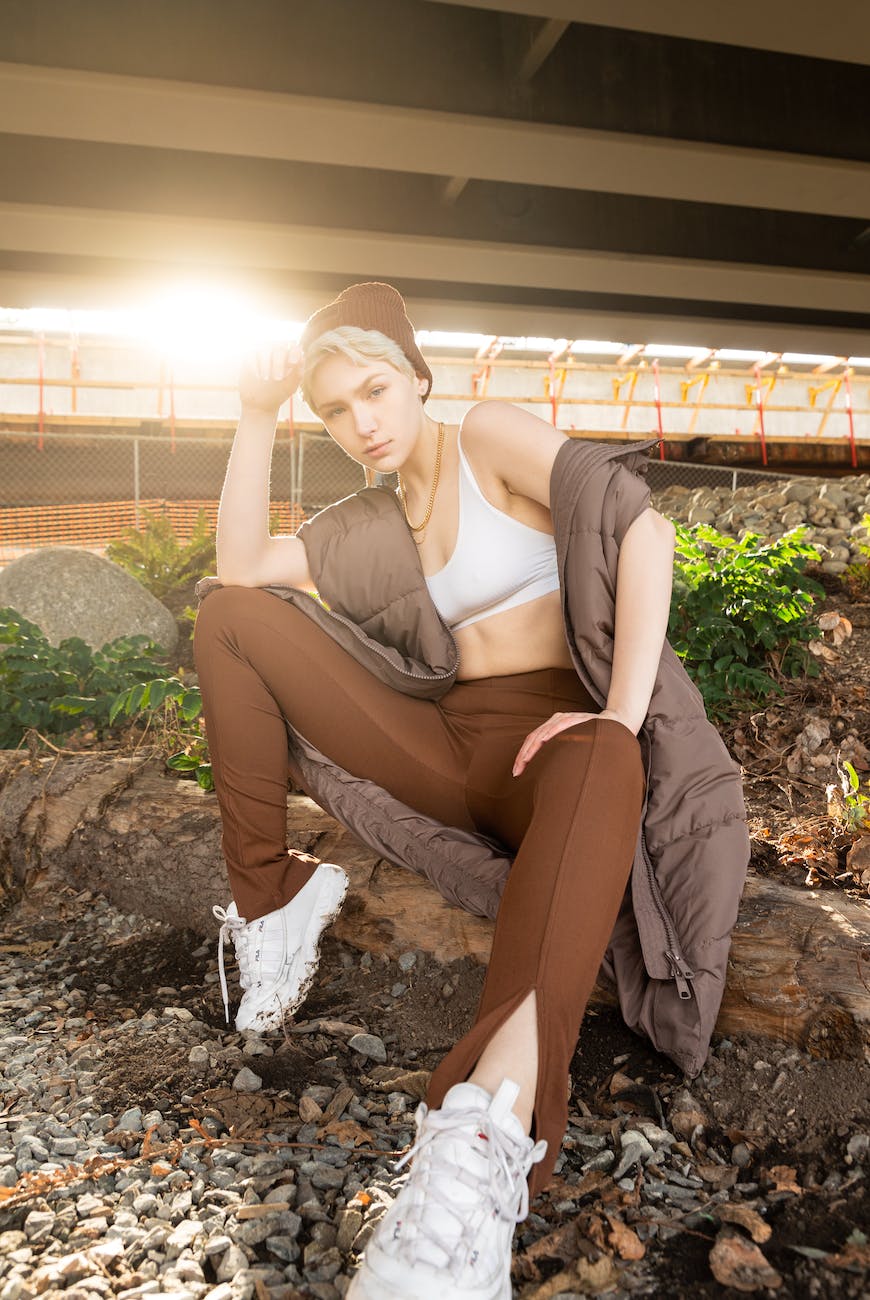
Athleisure: Since the pandemic Athleisure has been growing in popularity. Today you can wear it everywhere, not just the gym. Athleisure, such as leggings, joggers, and crop tops can be dressed up or down for a combination of casual and classy looks. The diversity in this trend makes it suitable for everyone. Give it a try.

Photo by Nino Sanger on Pexels.com

Ribbons and Bows: Girly fashion accessories such as ribbons and bows are great pieces to add to your wardrobe. They add an extra touch of feminine flare to all of your outfits. Again, you don’t have to buy new. Upcycle good fabric from old shirts and dresses with pretty prints into scrunchies, headbands, and hair ribbons. Use what you have with a new twist.

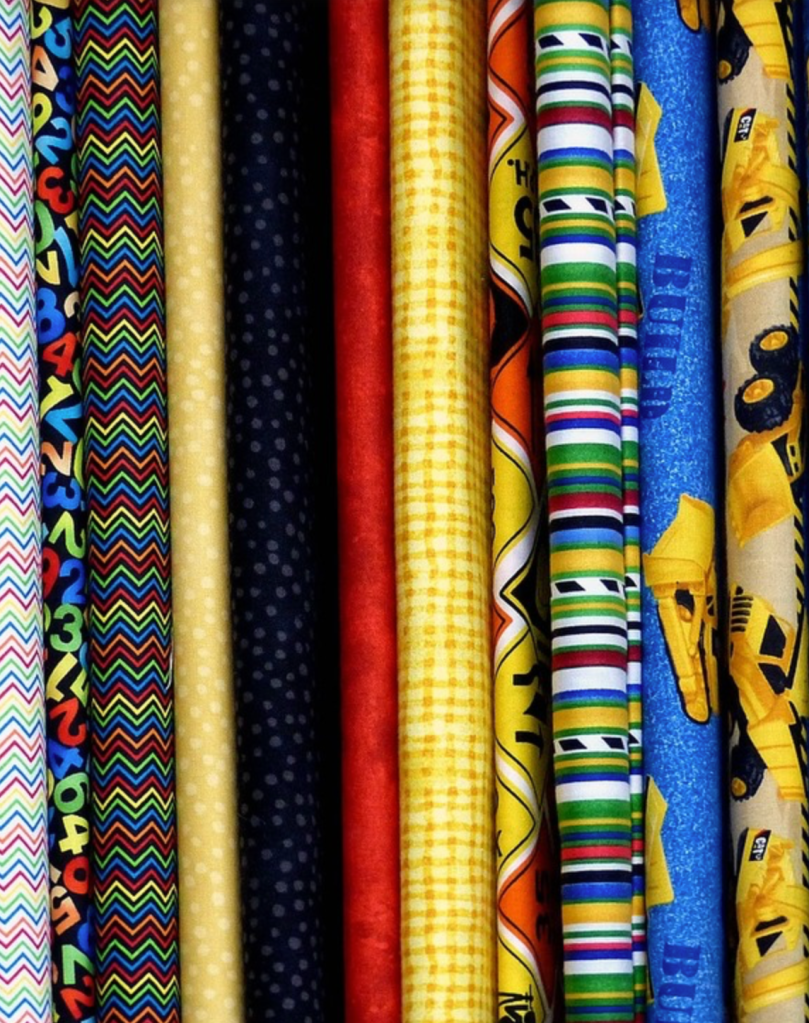
Bold Prints: Bold prints and patterns are necessary to add a touch of color to your wardrobe in 2024. Don’t be afraid of color. Start small by adding a bold pop of color in accessories and then take the plunge to tops and dresses. Some of the most colorful styles can be found in vintage garments from the 70’s and 80’s. What’s old is new again. Give it a try.

Retro look: Retro styles from the 70’s, 80’s and 90’s are back and better than ever. Both women and men are getting more and more nostalgic for the earlier decades of fashion and are even replicating them in their outfits. For example flared jeans from the 60’s and 70’s are back in style. Incoperating the retro look into your outfits will help you look fresh and cool for the new year.

Now that you know some of the most popular fashion trends in 2024, kick off the new year in style. For more information about fashion and all things vintage follow me on Instagram, Facebook, TikTok and Youtube.

Uncategorized

History of the Capelet

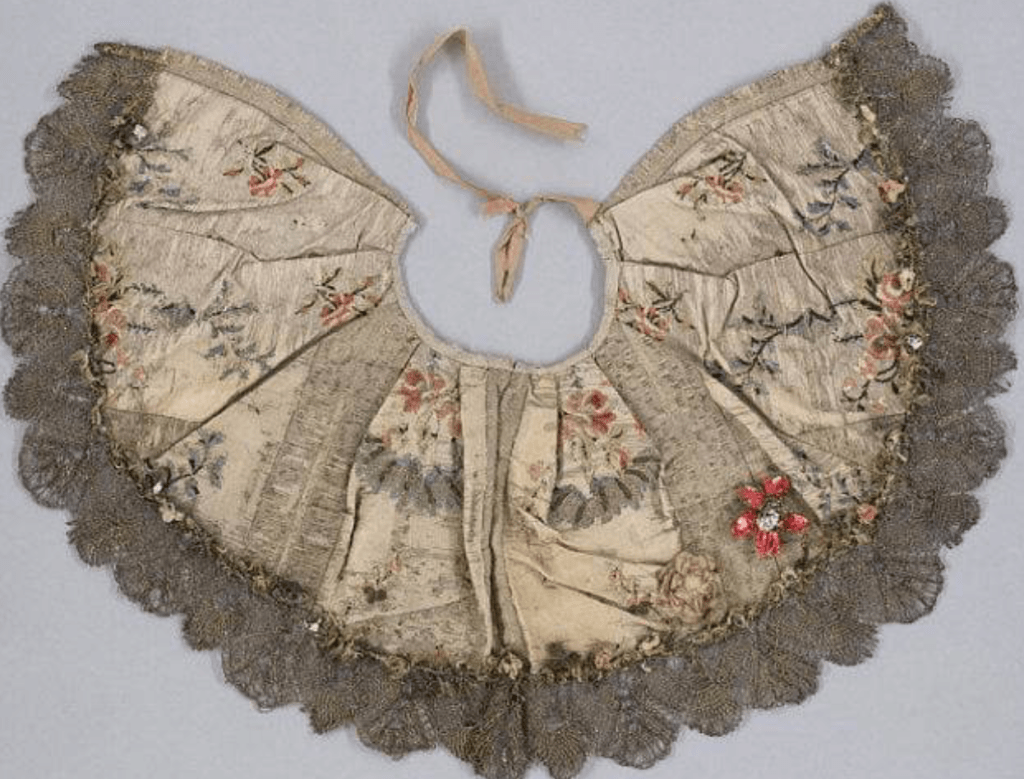
I recently bought a capelet from the 1890’s. What are capelets? The capelet is a short, often sleeveless, cape-like garment that has a rich history in fashion. The capelet has roots in medieval and Renaissance fashion, where capes and cloaks were commonly worn for warmth and as a symbol of social status. During the Victorian era (19th century), women’s fashion embraced capelets as stylish accessories, often made from luxurious fabrics and adorned with lace or fur. In the 1920s and 1930s, capelets experienced a resurgence, complementing the flapper style with their short, chic designs. The capelet gained popularity in the mid-20th century as a versatile fashion accessory, worn both casually and formally.

Capletes are also used in high fashion as well. Designers like Christian Dior incorporated capelets into their couture collections, contributing to the garment’s association with elegance and sophistication.The capelet continued to be a favored accessory in various fashion eras, adapting to changing styles and preferences.

Even though Capletes have been seen as a fashion trend of the past they are now recently making a comeback. In recent decades, the capelet has experienced a revival on fashion runways and in ready-to-wear collections. Modern designers have embraced the capelet as a statement piece, often experimenting with different fabrics, lengths, and styles.

Capelets are also valued for their versatility, offering a stylish alternative to traditional jackets or shawls. They are commonly worn as elegant cover-ups for formal occasions, adding flair to dresses or evening wear. The history of the capelet reflects its enduring appeal, seamlessly blending elements of historical fashion with contemporary style. Whether in medieval times, the glamorous 1920s, or the modern era, the capelet remains a timeless accessory appreciated for its elegance and adaptability.

The capelet I purchased was a special lot sale from Nostalgia, an excellent vintage fashion store in my neighborhood. The items were more historical nature and not their usual stock. The lot I purchased included a lace evening jacket, a pigeon breast top and skirt and a capelet all ranging from the 1890’s. My capelet is black with gathering on the shoulders. It has beaded embroidery along the edges. Unfortunately, it is too delicate to be hung so it will remain packed in an archival box. I am happy with my purchase and proud to add this capelet to my vintage fashion collection.