
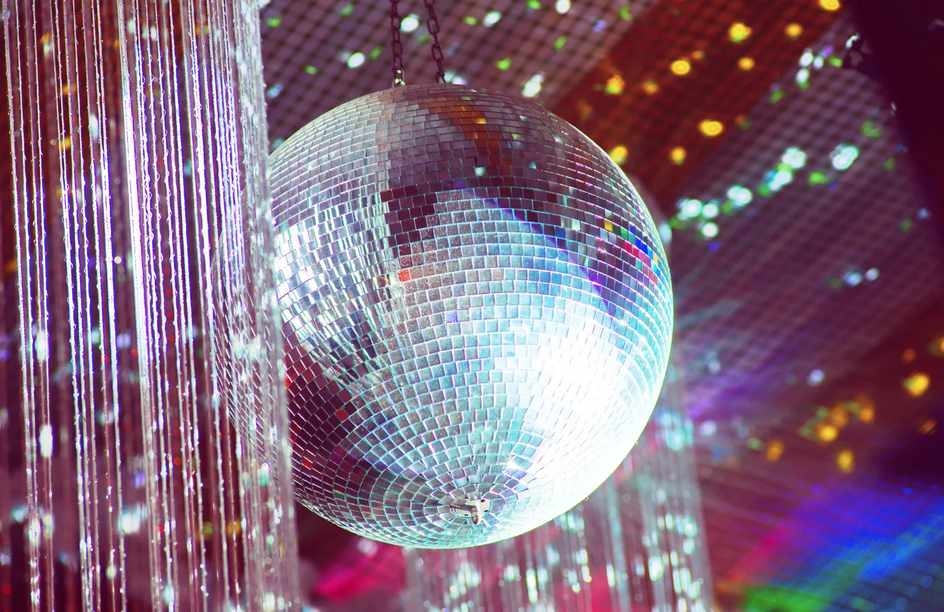
Disco style emerged in the early 1970s as a vibrant cultural phenomenon characterized by its distinctive fashion, music, and dance. Originating in the United States, particularly in urban centers like New York City, disco was deeply rooted in the nightlife of clubs and discotheques. It became a unifying force among diverse communities, including African Americans, Latinos, and LGBTQ+ individuals.
Disco fashion embraced bold, shiny materials like spandex, sequins, and satin, often in bright, eye-catching colors. Key pieces included flared pants, platform shoes, jumpsuits, and halter tops. Men sported wide-collar shirts, often unbuttoned to reveal chest hair, along with gold chains and leisure suits. Women wore body-hugging dresses, hot pants, and flowing maxi dresses. Accessories like large hoop earrings, glittery makeup, and feathered hairstyles completed the look. Disco fashion celebrated individual expression and hedonism, leaving a lasting impact on subsequent fashion trends.
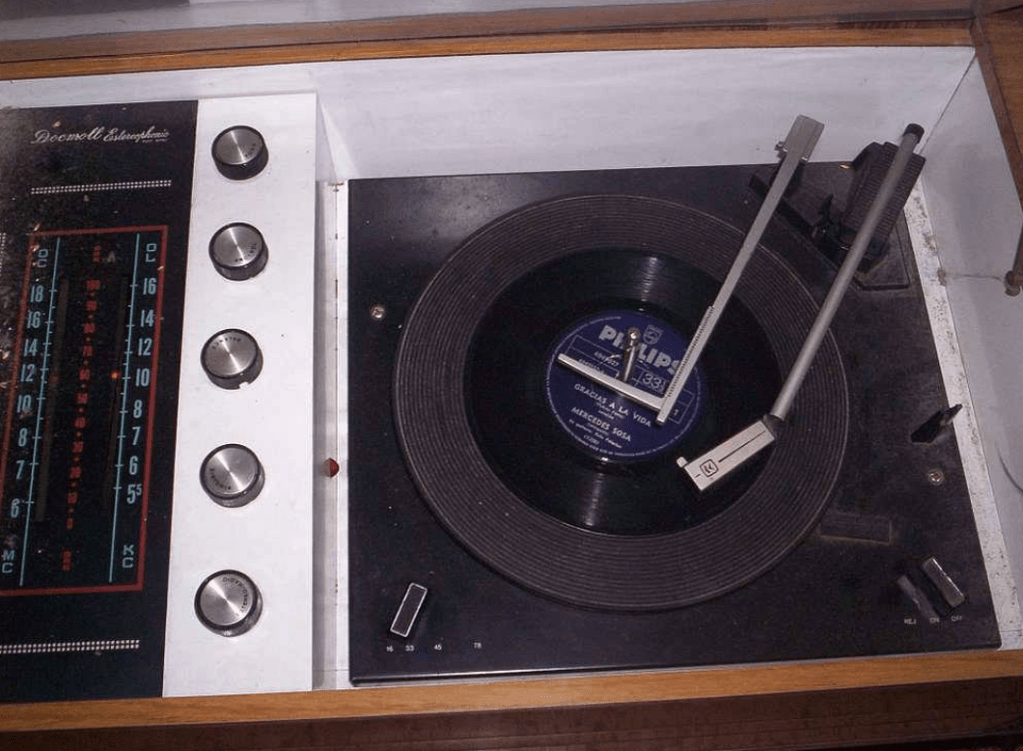
The flashy, glamorous outfits for men and women donned polyester bell-bottoms, platform shoes, sequined tops, and jumpsuits. Bold colors, metallic fabrics, and extravagant accessories like large sunglasses and chunky jewelry were also prevalent.
Musically, disco is known for its upbeat tempo, strong bass lines, and lush orchestration, often incorporating strings and horns. Iconic artists like Donna Summer, the Bee Gees, and Chic dominated the charts with hits that became anthems of the era.

Dance was a crucial component of disco culture, with the hustle and other synchronized dance routines gaining popularity. Discotheques like Studio 54 became legendary for their extravagant parties and celebrity sightings.
By the early 1980s, disco’s popularity waned, partly due to the backlash from rock music fans and changes in musical tastes. However, its influence endured, paving the way for future genres like electronic dance music and leaving a lasting impact on fashion and pop culture.
Disco music had a profound impact on the disco style, creating a symbiotic relationship between the sound and the fashion of the 1970s. Here are some key ways in which disco music inspired disco style:

- Vibrancy and Extravagance: Disco music was characterized by its upbeat, energetic rhythms and pulsating beats, which translated into vibrant and extravagant fashion. The flashy, glamorous attire matched the lively atmosphere of disco clubs, where people went to dance and socialize.
- Freedom and Expression: The disco scene promoted a sense of freedom and self-expression. This was reflected in the bold and daring fashion choices, with people wearing what made them feel confident and stylish on the dance floor. This included unisex styles, body-hugging fabrics, and daring cuts.
- Dance-Ready Clothing: Disco music’s infectious beats encouraged dancing, leading to fashion that was both stylish and functional. Stretchy fabrics like spandex and comfortable yet chic footwear like platform shoes allowed for ease of movement and endurance during long nights of dancing.
- Glamour and Shine: The dazzling lights and mirrored balls of disco clubs were mirrored in the fashion choices. Sequins, metallic fabrics, and shimmering accessories became staples, reflecting the glitz and glamour of the disco era.
- Iconic Performers and Influence: Disco performers and celebrities, such as Donna Summer, the Bee Gees, and Gloria Gaynor, became fashion icons. Their stage outfits, often elaborate and sparkling, set trends that were emulated by fans and club-goers.
- Androgyny and Fluidity: Disco music’s inclusive nature fostered a fashion culture that embraced androgyny and fluidity. Both men and women sported similar styles, such as flared pants, fitted shirts, and extravagant accessories, breaking traditional gender norms.
Overall, disco music’s lively, inclusive, and glamorous spirit was directly reflected in the fashion of the era, creating a distinctive and enduring style.
 fashionpastforward.com