

For many people prom is a special once in a life time event. But it also has a history that significantly evolved over the years. Here are some key ways in which prom has transformed.

History: Present-day proms are quite different than its origin. The idea of celebrating youth as a transition to adulthood dates back to ancient Greece. The formal banquets were called “symposia” and held to honor elite men. The event included lavish banquets, speeches, music and drinking. In the 18th century Proms were still reserved for men in the form of tea parties for male college students and their prominent families. By the 1930’s it reached over to high school and included men and women in their senior year under strict supervision of teachers and parents. College proms were to celebrate wealth and social status. High School proms were to teach men and women etiquette as they transition to adulthood. By the 50’s prom was “THE” event of the year especially for the senior class and included the crowning of the King and Queen.
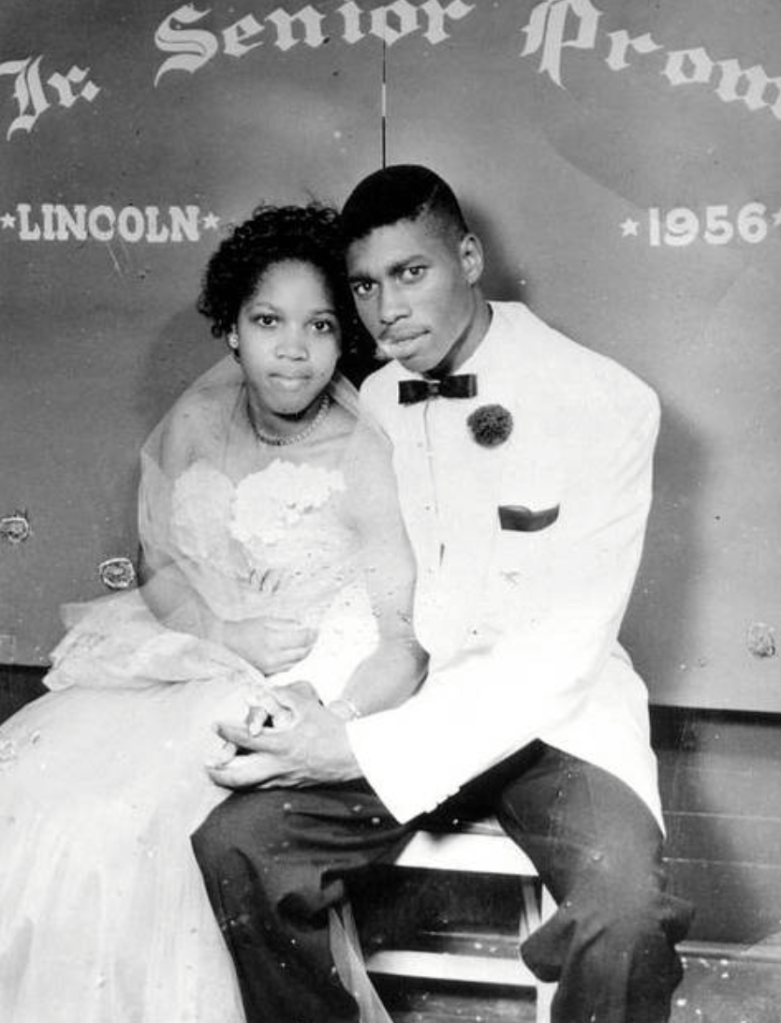
Social Significance: Prom has transitioned from a simple end-of-year dance to a highly anticipated social event, often considered a rite of passage for teenagers. It’s no longer just about the dance itself but also about the entire prom experience, including asking someone to be your date, pre-prom parties, and post-prom activities.
Diversity and Inclusion: Proms have become more inclusive, embracing diversity in terms of attendees, including students of different ethnicities, backgrounds, and gender identities. This inclusivity is reflected in the variety of prom dress styles and the acceptance of non-traditional prom attire.
Technology and Social Media: The rise of social media has transformed prom culture, with teenagers documenting and sharing every aspect of their prom experience online. From promposal videos to glamorous outfit photos, social media has become an integral part of the prom experience, shaping expectations and trends.
Cost and Extravagance: Prom has become increasingly elaborate and expensive, with some students and families investing significant time and money into prom preparations, including dresses, suits, transportation, tickets, and after-parties. This emphasis on extravagance has led to the rise of prom-related industries, including formalwear rental and event planning services. Today, proms are big business. A survey done by VISA corporation states that prom can cost upwards of $1000 per person which includes everything from tickets, dinner, attire, and after parties with the average family spending at least $350 for this one night event.

Fashion Trends: Prom dress styles have evolved over time, reflecting broader fashion trends. While certain elements like elegant ball gowns and sleek silhouettes remain timeless, the specific designs, colors, and embellishments have changed to reflect the fashion preferences of each era.
In the 1920s, flapper-style dresses with dropped waists and intricate bead-work were fashionable for proms. The 1950s saw the emergence of full-skirted dresses with cinched waists, epitomizing the glamour of that era.
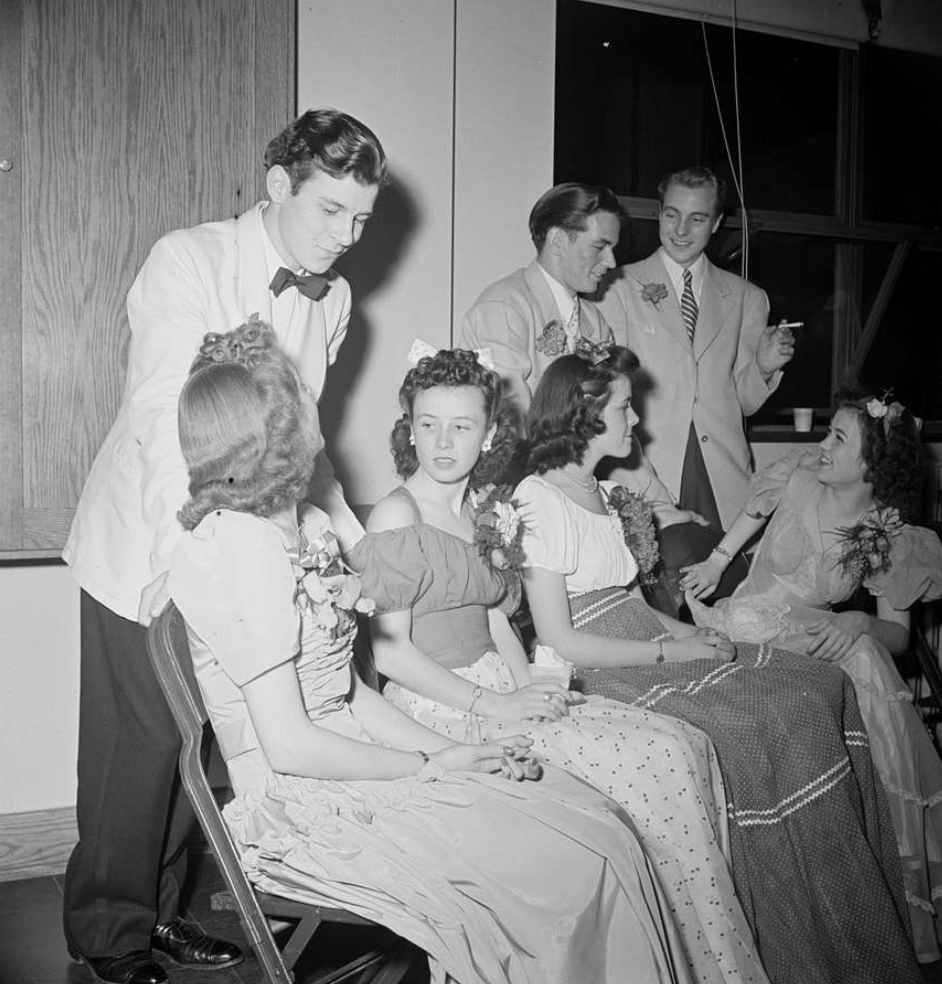
The 1960s brought more diverse styles, from mod-inspired shifts to empire-waist gowns. The 1970s embraced flowing, bohemian designs with floral patterns and peasant-style sleeves.
The 1980s ushered in a bold and extravagant era, with prom dresses featuring exaggerated silhouettes, bold colors, and plenty of sequins and ruffles.
By the 1990s and 2000s, prom dress styles varied widely, influenced by trends in mainstream fashion, including sleek slip dresses, princess ball gowns, and sleek, minimalist designs.
Today, prom dresses continue to evolve, with a mix of vintage-inspired looks, modern trends, and individualistic styles, reflecting the diverse tastes and preferences of teenagers attending prom. Overall, prom has evolved from a simple school dance to a multifaceted cultural phenomenon, reflecting the changing values, attitudes, and aspirations of each generation of teenagers.

 fashionpastforward.com