Uncategorized

Alexander McQueen: Historical Influences

McQueen at his Autumn 2009 collectio
Last works by McQueen, Autumn/Winter 2010/2011 collection. Displayed at the Savage Beauty exhibition

This famous fashion designer blended historical trends of the past and gave them a unique modern edge. Lee Alexander McQueen was born on March 17, 1969, into a working-class family living in public housing in London’s Lewisham district. His father, Ronald, was a cab driver, and his mother, Joyce, taught social science. On their small incomes, they supported McQueen and his five siblings. At age 16, McQueen dropped out of school. He found work on Savile Row, a street in London’s Mayfair district famous for offering made-to-order men’s suits. He worked first with the tailor shop Anderson and Shephard, and then moved to nearby Gieves and Hawkes. This was the official start of McQueen’s early work in the fashion industry.
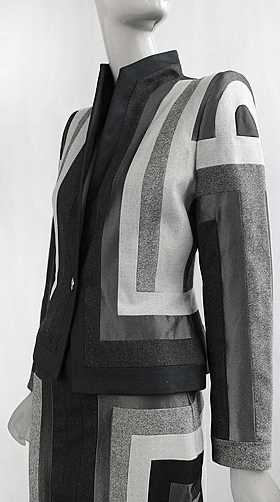
Alexander McQueen for Givenchy Autumn 1998 ‘Blade Runner‘ suit

Soon after obtaining his degree, McQueen started his own business designing clothes for women. Only four years out of design school, McQueen was named Chief Designer of Louis Vuitton-owned Givenchy, a French haute couture fashion house. Deciding to further his clothes-making career, McQueen moved on from Savile Row and began working with theatrical costume designers Angels and Bermans. The dramatic style of the clothing he made there would become a signature of his later independent design work. In 2003, McQueen was declared International Designer of the Year by the Council of Fashion Designers of America and a Commander of the Most Excellent Order of the British Empire by the Queen of England, and won yet another British Designer of the Year honor. Meanwhile, McQueen opened stores in New York, Milan, London, Las Vegas and Los Angeles. In 2007, the specter of death would come to haunt McQueen, first with the suicide of Isabella Blow. The designer dedicated his 2008 Spring/Summer line to Blow, and said that her death “was the most valuable thing I learnt in fashion.” Just two years later, on February 2, 2010, McQueen’s mother died. One day before her funeral, on February 11, 2010, McQueen was found dead in his Mayfair, London apartment. The cause of death was determined to be suicide.

The Girl Who Lived in the Tree 
Autumn/Winter 2008

Alexander McQueen played an important role in revolutionizing the vintage fashion industry. He blended avant-grade designs with historical influences, creating pieces that resonate with both contemporary and nostalgic aesthetics. He loved Victorian-era clothing and often created pieces with drama and elegance to celebrate the era. McQueen was also into creating some of the most shockingly breathtaking corsets the world has ever seen. Aside from Victorian-era garments, McQueen was fond of the 70s. Numerous suits, jackets and dresses he designed to have a 70s vibe and inspiration. This includes wide-legged pants, androgynous designer wear, especially platform shoes, leotards, fringe and short skirts. Alexander McQueen’s designs are highly sought after due to their unique blend of creativity, craftsmanship, and storytelling.

Trends

Fashion Trends for the New Year 2024

Photo by Tairon Fernandez on Pexels.com

The new year is the perfect time to start reorganizing your closet. Here are some notable fashion trends that will help re-invent your wardrobe and give you a fresh look in the new year.

Sustainable Fashion: Sustainable fashion is a high priority for top designers as they explore new eco friendly fabrics. However, you don’t have to buy new to be part of the sustainable movement. The best way to be eco-friendly is to shop thrift stores and vintage boutiques. You can also shop your own closet by upcycling what you already have with your own personal touch. It is a very affordable way to go green in 2024.

Photo by Hoa Tran on Pexels.com

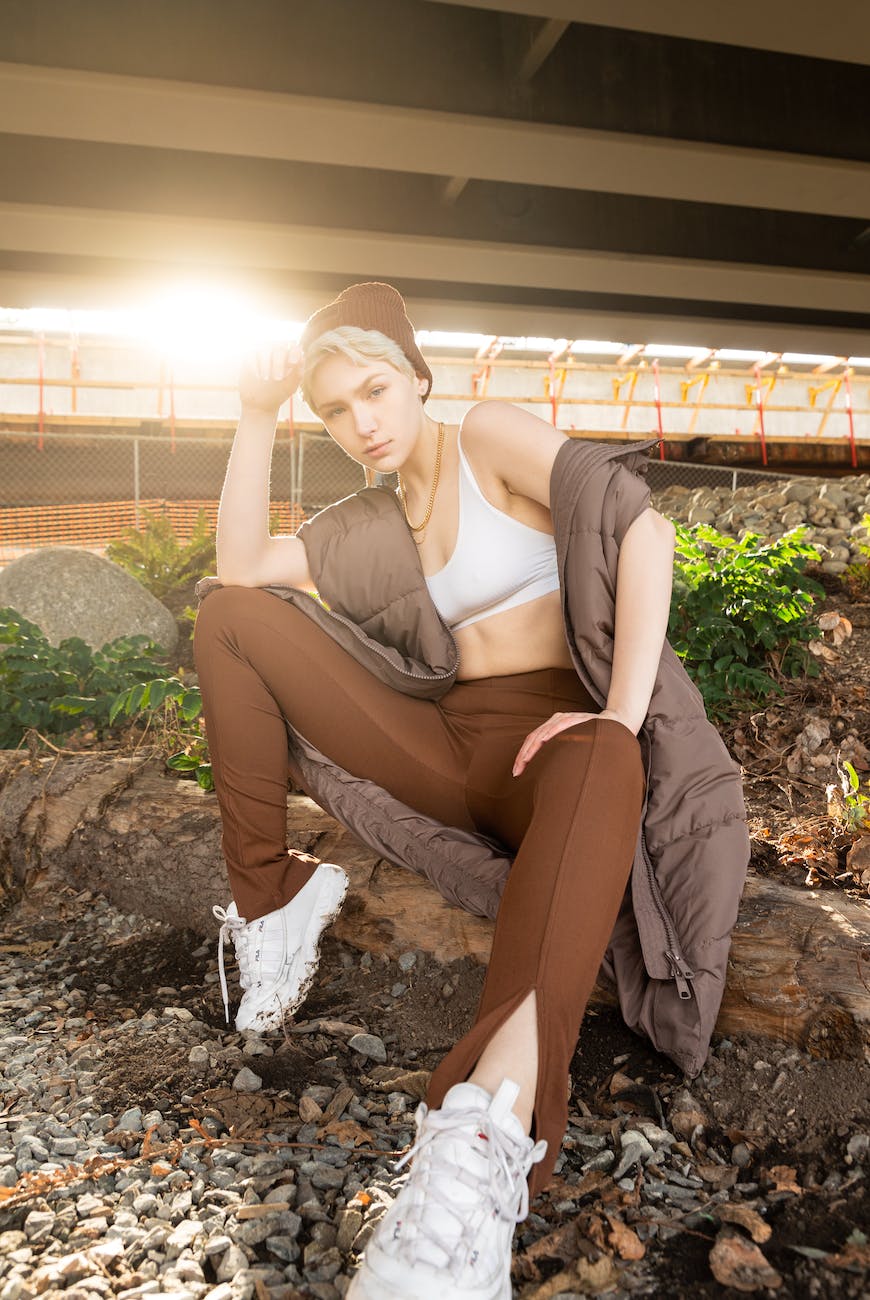
Athleisure: Since the pandemic Athleisure has been growing in popularity. Today you can wear it everywhere, not just the gym. Athleisure, such as leggings, joggers, and crop tops can be dressed up or down for a combination of casual and classy looks. The diversity in this trend makes it suitable for everyone. Give it a try.

Photo by Nino Sanger on Pexels.com

Ribbons and Bows: Girly fashion accessories such as ribbons and bows are great pieces to add to your wardrobe. They add an extra touch of feminine flare to all of your outfits. Again, you don’t have to buy new. Upcycle good fabric from old shirts and dresses with pretty prints into scrunchies, headbands, and hair ribbons. Use what you have with a new twist.

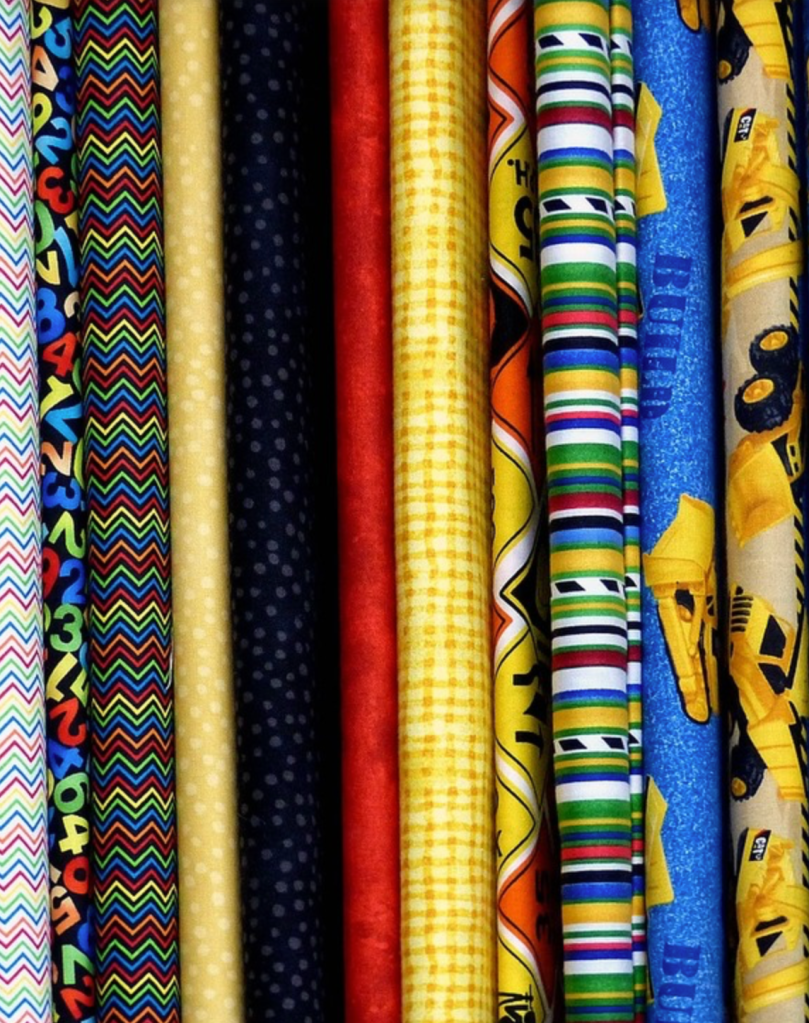
Bold Prints: Bold prints and patterns are necessary to add a touch of color to your wardrobe in 2024. Don’t be afraid of color. Start small by adding a bold pop of color in accessories and then take the plunge to tops and dresses. Some of the most colorful styles can be found in vintage garments from the 70’s and 80’s. What’s old is new again. Give it a try.

Retro look: Retro styles from the 70’s, 80’s and 90’s are back and better than ever. Both women and men are getting more and more nostalgic for the earlier decades of fashion and are even replicating them in their outfits. For example flared jeans from the 60’s and 70’s are back in style. Incoperating the retro look into your outfits will help you look fresh and cool for the new year.

Now that you know some of the most popular fashion trends in 2024, kick off the new year in style. For more information about fashion and all things vintage follow me on Instagram, Facebook, TikTok and Youtube.

Uncategorized

History of the Capelet

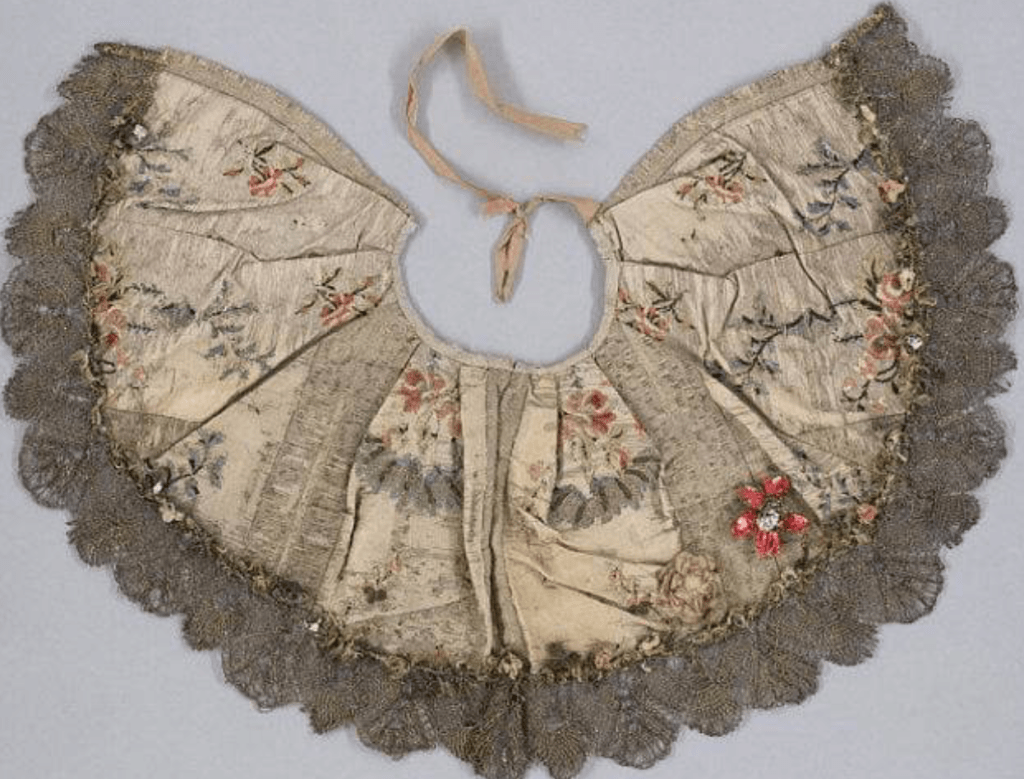
I recently bought a capelet from the 1890’s. What are capelets? The capelet is a short, often sleeveless, cape-like garment that has a rich history in fashion. The capelet has roots in medieval and Renaissance fashion, where capes and cloaks were commonly worn for warmth and as a symbol of social status. During the Victorian era (19th century), women’s fashion embraced capelets as stylish accessories, often made from luxurious fabrics and adorned with lace or fur. In the 1920s and 1930s, capelets experienced a resurgence, complementing the flapper style with their short, chic designs. The capelet gained popularity in the mid-20th century as a versatile fashion accessory, worn both casually and formally.

Capletes are also used in high fashion as well. Designers like Christian Dior incorporated capelets into their couture collections, contributing to the garment’s association with elegance and sophistication.The capelet continued to be a favored accessory in various fashion eras, adapting to changing styles and preferences.

Even though Capletes have been seen as a fashion trend of the past they are now recently making a comeback. In recent decades, the capelet has experienced a revival on fashion runways and in ready-to-wear collections. Modern designers have embraced the capelet as a statement piece, often experimenting with different fabrics, lengths, and styles.

Capelets are also valued for their versatility, offering a stylish alternative to traditional jackets or shawls. They are commonly worn as elegant cover-ups for formal occasions, adding flair to dresses or evening wear. The history of the capelet reflects its enduring appeal, seamlessly blending elements of historical fashion with contemporary style. Whether in medieval times, the glamorous 1920s, or the modern era, the capelet remains a timeless accessory appreciated for its elegance and adaptability.

The capelet I purchased was a special lot sale from Nostalgia, an excellent vintage fashion store in my neighborhood. The items were more historical nature and not their usual stock. The lot I purchased included a lace evening jacket, a pigeon breast top and skirt and a capelet all ranging from the 1890’s. My capelet is black with gathering on the shoulders. It has beaded embroidery along the edges. Unfortunately, it is too delicate to be hung so it will remain packed in an archival box. I am happy with my purchase and proud to add this capelet to my vintage fashion collection.