Uncategorized

3-2-1 VINTAGE

A quick weekly read with
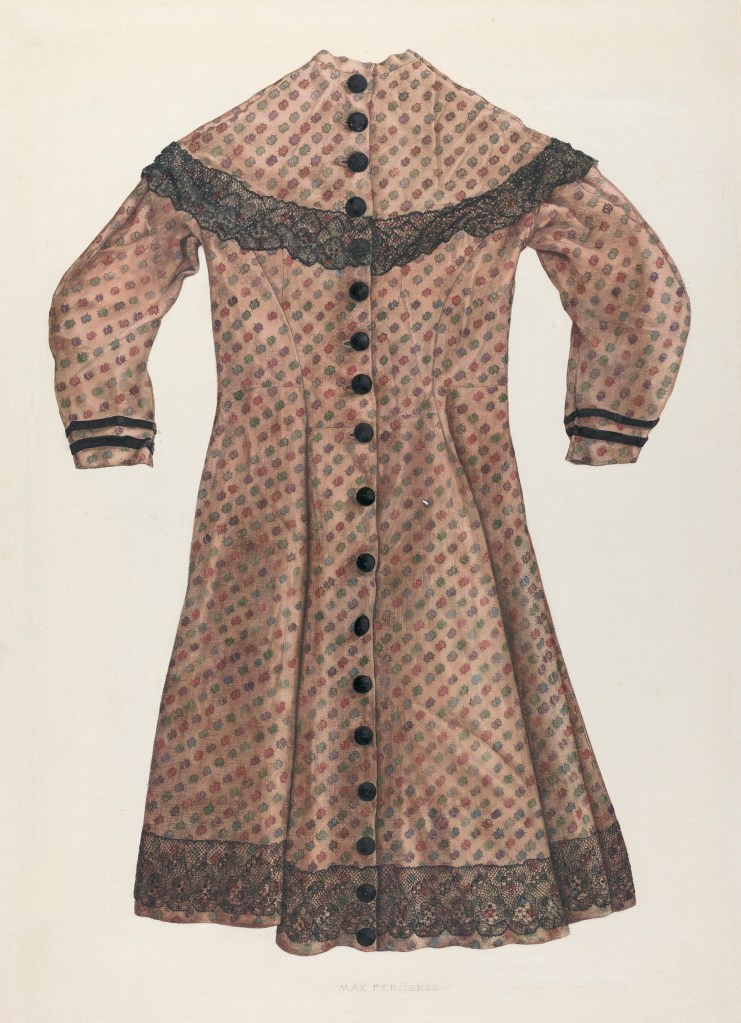
3 places to shop, 2 vintage trends to follow and 1 quote to inspire

👗 @vintoriousvintage is a proud member of @vintagefashionguild with 3 decades experience in curating vintage clothing and accessories with no intention of stopping. Her obsession is your gain. International buyers are welcome. Right now you’ll find pretty summer dresses, trending western wear and vintage jewelry. Browse and buy.

👗 @the_trendy_treadle 
Melodie’s sewing skills began next to her mother watching her sew at a young age. Later on, she studied design, flat pattern and draping in college. For over 20 years she designed wedding dresses, professional clothing and alterations. Today she continues her passion by sewing from vintage patterns and selling on etsy. Browsing through her aprons takes you back in time.

👗 @fashionairevintage started her business in her tiny Brooklyn apartment. Now, through her Etsy shop she helps customers mix vintage into a modern wardrobe in style. She works in Costume 829 by day and sells/repairs vintage by night. Stunning hats, drama dresses and summer casuals are found in her Etsy shop.

2️⃣ TRENDS 👀
👜 East-West handbag. Big totes are best at the beach, but for day and evening slim down to this 50’s inspired long and lean bag. Look for that unique shape, clasp or handle. Don’t buy new, there are many to be found in vintage shops and estate sales. 🛍️Vintage Shop Owners: if you have east-west bags comment below.

☮️ bohemian-chic beaded jewelry and playful charm necklaces are a good choice for summer 2025. But for evening go get your grandmas vintage pearls. Perfect on a tanned neckline. 
🛍️Vintage Shop Owners: if you have fun charms and necklaces tell us about in the comment.

1️⃣ QUOTE 🎤
📣”“I always find beauty in things that are odd and imperfect, they are much more interesting.” Marc Jacobs

#vintage #vintagefashion #vintagestyle #vintagetrends #vintageshoppers #marcjacobs #charms #vintagejewelry #bohemian-chic #eastwesthandbag  #3-2-1
Uncategorized

Disco Style

Disco style emerged in the early 1970s as a vibrant cultural phenomenon characterized by its distinctive fashion, music, and dance. Originating in the United States, particularly in urban centers like New York City, disco was deeply rooted in the nightlife of clubs and discotheques. It became a unifying force among diverse communities, including African Americans, Latinos, and LGBTQ+ individuals.

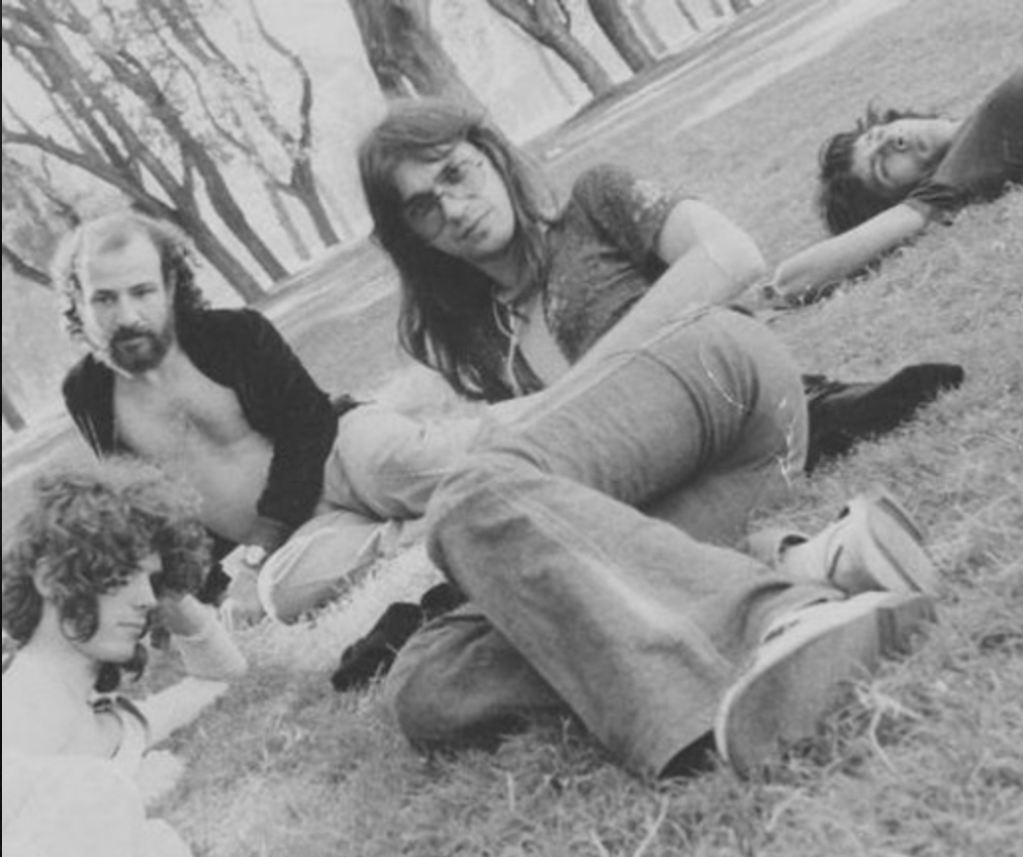
Disco fashion embraced bold, shiny materials like spandex, sequins, and satin, often in bright, eye-catching colors. Key pieces included flared pants, platform shoes, jumpsuits, and halter tops. Men sported wide-collar shirts, often unbuttoned to reveal chest hair, along with gold chains and leisure suits. Women wore body-hugging dresses, hot pants, and flowing maxi dresses. Accessories like large hoop earrings, glittery makeup, and feathered hairstyles completed the look. Disco fashion celebrated individual expression and hedonism, leaving a lasting impact on subsequent fashion trends.

The flashy, glamorous outfits for men and women donned polyester bell-bottoms, platform shoes, sequined tops, and jumpsuits. Bold colors, metallic fabrics, and extravagant accessories like large sunglasses and chunky jewelry were also prevalent.

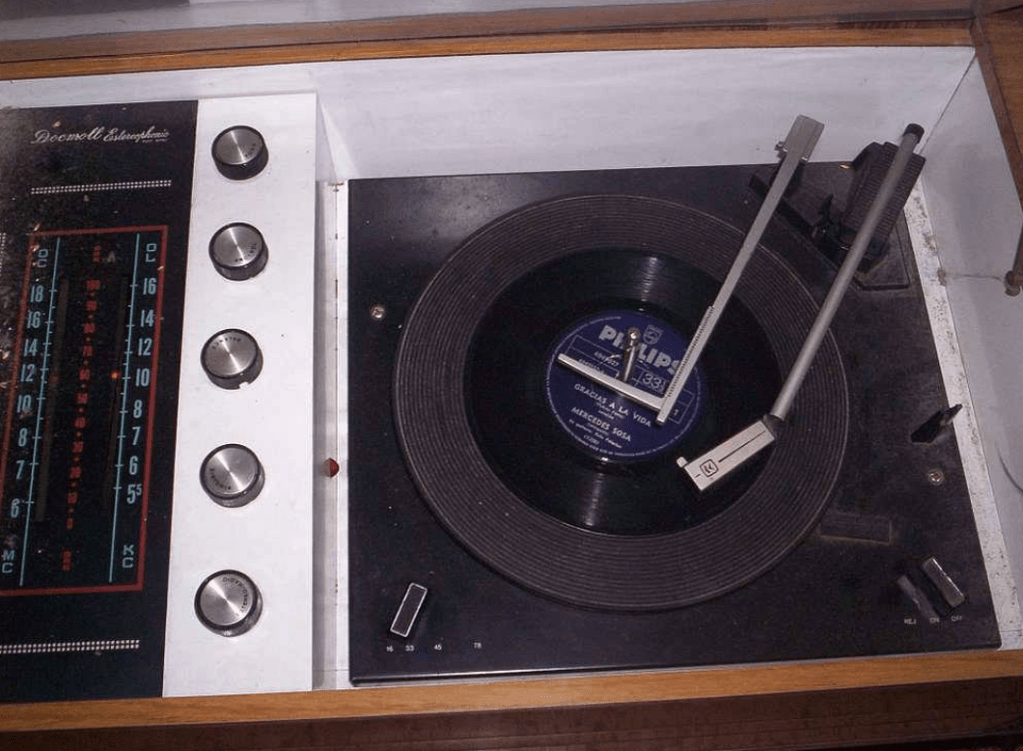
Musically, disco is known for its upbeat tempo, strong bass lines, and lush orchestration, often incorporating strings and horns. Iconic artists like Donna Summer, the Bee Gees, and Chic dominated the charts with hits that became anthems of the era.

Dance was a crucial component of disco culture, with the hustle and other synchronized dance routines gaining popularity. Discotheques like Studio 54 became legendary for their extravagant parties and celebrity sightings.

By the early 1980s, disco’s popularity waned, partly due to the backlash from rock music fans and changes in musical tastes. However, its influence endured, paving the way for future genres like electronic dance music and leaving a lasting impact on fashion and pop culture.

Disco music had a profound impact on the disco style, creating a symbiotic relationship between the sound and the fashion of the 1970s. Here are some key ways in which disco music inspired disco style:

  1. Vibrancy and Extravagance: Disco music was characterized by its upbeat, energetic rhythms and pulsating beats, which translated into vibrant and extravagant fashion. The flashy, glamorous attire matched the lively atmosphere of disco clubs, where people went to dance and socialize.
  2. Freedom and Expression: The disco scene promoted a sense of freedom and self-expression. This was reflected in the bold and daring fashion choices, with people wearing what made them feel confident and stylish on the dance floor. This included unisex styles, body-hugging fabrics, and daring cuts.
  3. Dance-Ready Clothing: Disco music’s infectious beats encouraged dancing, leading to fashion that was both stylish and functional. Stretchy fabrics like spandex and comfortable yet chic footwear like platform shoes allowed for ease of movement and endurance during long nights of dancing.
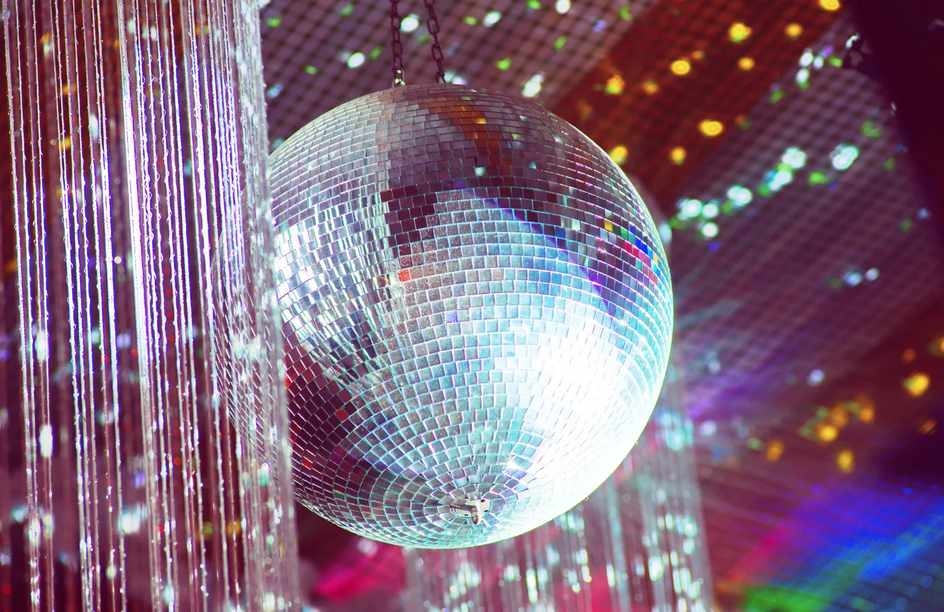
  4. Glamour and Shine: The dazzling lights and mirrored balls of disco clubs were mirrored in the fashion choices. Sequins, metallic fabrics, and shimmering accessories became staples, reflecting the glitz and glamour of the disco era.
  5. Iconic Performers and Influence: Disco performers and celebrities, such as Donna Summer, the Bee Gees, and Gloria Gaynor, became fashion icons. Their stage outfits, often elaborate and sparkling, set trends that were emulated by fans and club-goers.
  6. Androgyny and Fluidity: Disco music’s inclusive nature fostered a fashion culture that embraced androgyny and fluidity. Both men and women sported similar styles, such as flared pants, fitted shirts, and extravagant accessories, breaking traditional gender norms.

Overall, disco music’s lively, inclusive, and glamorous spirit was directly reflected in the fashion of the era, creating a distinctive and enduring style.

Uncategorized

The History of the 1960’s Mod Style

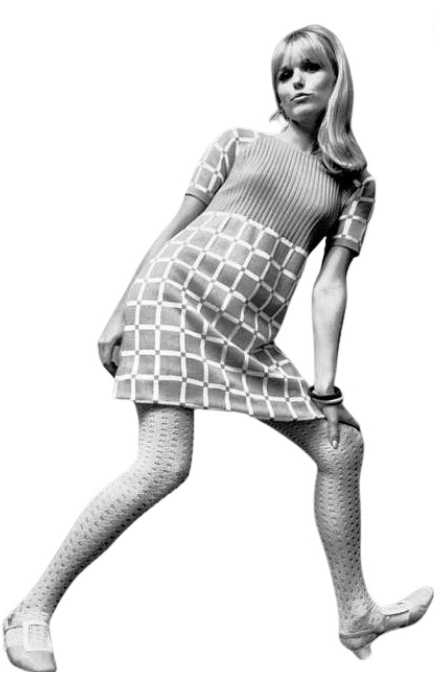
One of the most iconic styles for women in the 60’s was the Mod girl. The mod girl was a cultural icon that emerged from the Mod (short for Modernist) subculture in the UK, primarily centered in London. The movement began in the late 1950s and gained significant momentum in the early to mid-1960s. This style had many key characteristics.

Hair and Makeup: The mod look often included dramatic eye makeup, such as thick eyeliner and mascara to create a doe-eyed effect, and pale lips.
Transportation: Scooters, particularly the Italian-made Vespa and Lambretta, were popular among mods and symbolized their love of modernity and efficiency.

The culture impact and influence of this style helped to represent a significant shift towards modernity and youth culture and a break from traditional fashion and social norms.

Cinema-films like “Blow-Up” (1966) captured the mod aesthetic and lifestyle, showcasing the fashion, music, and attitude of the time.
Legacy: The mod girl influenced later fashion and music movements, such as the 1970s punk scene and the 1980s mod revival. The look and spirit of the mod girl continue to inspire designers and pop culture to this day.

Fashion: Mod girls were known for their distinctive and innovative fashion sense. They favored bold, bright colors, geometric patterns, and clean lines. Key items included mini skirts, shift dresses, tailored suits, and go-go boots. Influences came from designers like Mary Quant and André Courrèges.
Music: The mod culture was deeply intertwined with music, especially British bands like The Who, The Kinks, and later The Small Faces. The Motown sound from America also heavily influenced the scene.
Lifestyle: Mod girls were characterized by their androgynous and sleek hairstyles, often styled in bobs or pixie cuts. They embraced a youthful, energetic, and somewhat rebellious lifestyle that was a departure from the more conservative norms of the 1950s.

The 60s mod style has had a lasting impact on contemporary fashion, influencing various elements that are still prevalent today.

Modern Adaptations: The mini skirt, popularized by Mary Quant, remains a staple in women’s fashion. Shift dresses, characterized by their simple, straight lines, are also frequently seen in modern collections, valued for their versatility and ease of wear.

Bold Patterns and Colors in Modern Trends: The bold, geometric patterns and bright colors of the 60s mod style continue to inspire designers. Contemporary fashion often incorporates these elements, especially in spring and summer collections, to add a vibrant and youthful touch.

Tailored Silhouettes in Current Fashion: The mod emphasis on sharp, tailored lines can be seen in modern suits and outerwear. Tailored blazers, slim-fit trousers, and structured coats are popular, reflecting the clean, sleek look that mod fashion championed.

Androgynous Fashion in Today’s Gender-Neutral Trends: The androgynous aesthetic of the mod style, with women wearing trousers and unisex clothing, has influenced the growing trend towards gender-neutral fashion. Modern designers often create collections that blur traditional gender lines.


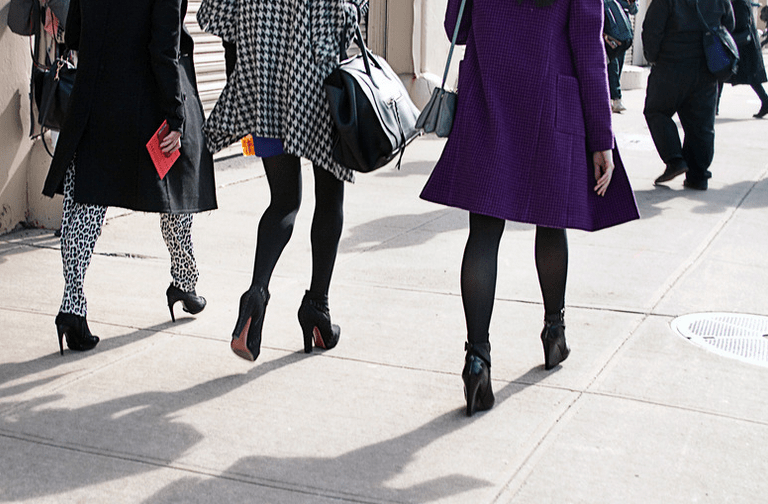
Iconic Footwear in Current Styles: Go-go boots, particularly the knee-high white versions, have made several comebacks in fashion. Ankle boots and other mod-inspired footwear continue to be popular, embodying both retro charm and contemporary chic.

Hair and Makeup in Modern Beauty Trends: The dramatic eye makeup of the 60s mod girl, including thick eyeliner and mascara, remains a beauty staple. Sleek, geometric hairstyles like bobs and pixie cuts are frequently revived in current hair styling.

The 60s mod style has left an indelible mark on today’s fashion, with its key elements continuously being reinterpreted and adapted, ensuring its enduring legacy.

Uncategorized

Bohemian Fashion

Boho fashion, short for bohemian, has been very popular as of late, due to its simple and comfortable look. But its history is far from simple. Boho has roots that trace back to the 19th century, with its origins linked to the Bohemian lifestyle associated with artists, writers, and intellectuals who valued creativity and an unconventional way of living. The term “bohemian” itself comes from the French word “bohémien,” referring to the Romani people, who were mistakenly thought to come from the Bohemia region in the Czech Republic.

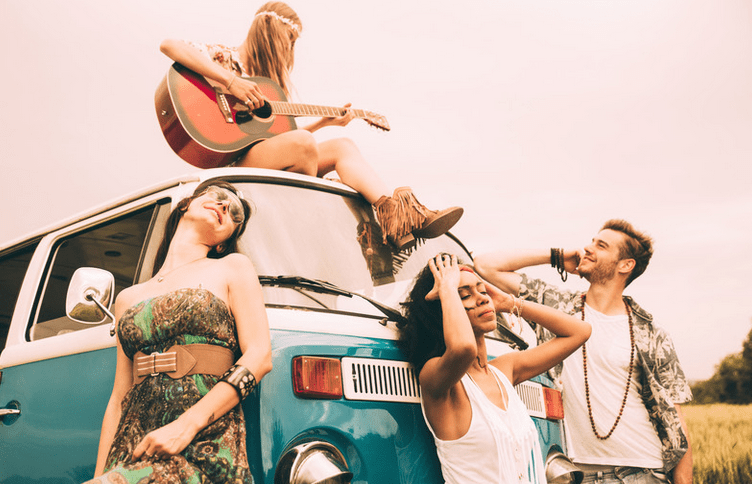
The modern iteration of boho fashion emerged in the 1960s and 1970s, influenced heavily by the counterculture and hippie movements. During this era, there was a strong emphasis on freedom of expression, peace, and a return to nature. Fashion from this period included flowing maxi dresses, bell-bottom pants, fringed vests, ethnic prints, and a mix of vintage and handcrafted items. The style was characterized by its eclectic mix of colors, patterns, and textures, often incorporating elements from various cultures around the world.

In the early 2000s, boho fashion experienced a resurgence, often referred to as “boho-chic.” This revival was popularized by celebrities like Sienna Miller and the Olsen twins, who embraced the style’s relaxed, yet stylish aesthetic. Boho-chic incorporated modern twists on the classic bohemian look, integrating contemporary pieces with vintage and handmade items, and emphasizing layered jewelry, floppy hats, and oversized sunglasses.

Today, boho fashion continues to be popular, embodying a free-spirited, artistic lifestyle. It remains a staple at music festivals like Coachella and is characterized by its blend of comfort and style, with an ongoing emphasis on sustainability and ethical fashion practices. Boho fashion continues to evolve, influenced by global trends and digital culture. Social media platforms like Instagram and Pinterest play a significant role in shaping contemporary boho styles.Today’s boho fashion blends traditional elements with modern trends, including minimalist boho, which incorporates simpler lines and fewer accessories while maintaining the overall boho spirit. Overall, people wear bohemian fashion today because it offers a way to combine personal expression, comfort, cultural appreciation, and sustainable practices, all while maintaining a stylish and trendy appearance.

Uncategorized

Evolution of Streetwear: From Subculture to Mainstream

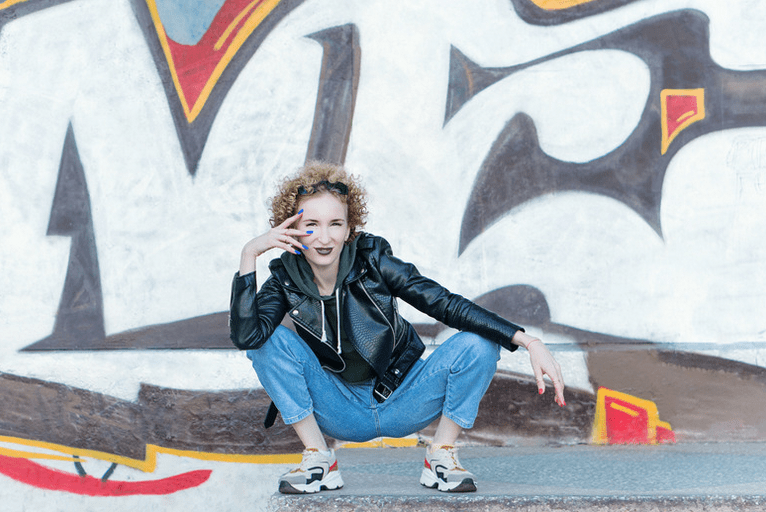
Streetwear has played an important role in the evolution of fashion throughout the years. It emerged in the late 1970s and early 1980s, initially influenced by skateboarding, hip-hop, and surf cultures. Brands like Stüssy, Supreme, and A Bathing Ape pioneered the movement, focusing on casual, comfortable clothing with bold graphics and logos.

Its popularity grew alongside the rise of urban youth culture, as it offered a way to express individuality and rebellion against mainstream fashion norms. Celebrities and musicians further popularized streetwear, wearing brands like Nike, Adidas, and Vans both on and off stage.

Streetwear has adapted to changing cultural trends and technological advancements.

Mainstream Acceptance: What was once considered a niche subculture has now become mainstream, with luxury fashion houses incorporating streetwear elements into their collections and high-profile collaborations between streetwear brands and traditional fashion labels.

Diversification: Streetwear has diversified beyond its original roots in skateboarding and hip-hop culture to encompass a wide range of influences, including punk, grunge, and even high fashion. This diversification has led to the emergence of various substyles within streetwear, such as techwear, vintage-inspired fashion, and athleisure.

Globalization: Streetwear is no longer confined to specific geographic regions but has become a global phenomenon, with enthusiasts and brands from around the world contributing to its evolution and spread.

Innovation: Advances in technology and manufacturing techniques have led to innovations in streetwear design, materials, and functionality. This includes the use of sustainable materials, 3D printing, and performance-enhancing fabrics in streetwear garments.

Influence of Social Media: Social media platforms like Instagram, TikTok, and YouTube have played a significant role in shaping and amplifying streetwear culture, allowing enthusiasts to connect, share inspiration, and discover new brands and trends.

Gender Neutrality: There’s been a shift towards gender-neutral and unisex streetwear, with many brands offering inclusive sizing and designs that cater to a diverse range of body types and identities.

Collaborations and Limited Edition Drops: Collaborations between streetwear brands, artists, musicians, and even corporate entities have become increasingly common, resulting in highly sought-after limited edition releases and exclusive collections.

Overall, streetwear continues to evolve and adapt, reflecting the ever-changing tastes and influences of its diverse community of enthusiasts.

Today, people still wear streetwear for its comfort, versatility, and its association with authenticity and self-expression. It has evolved to encompass a wide range of styles, from high-end designer collaborations to DIY aesthetics, making it accessible to people from various backgrounds. 🇲🇾Additionally, the influence of social media has fueled its continued popularity, allowing enthusiasts to connect and showcase their personal style online. Streetwear is still fashionable due to its influence on modern styles today.

Uncategorized

History of Haute Couture

Everyone has heard the term haute couture. But most people have trouble understanding the true meaning or how to use it. Haute couture, is French for “high sewing” or “high dressmaking,” and originated in Paris in the mid-19th century. Charles Frederick Worth, an Englishman working in Paris, is often credited as the father of haute couture. He established the first haute couture house in 1858, revolutionizing fashion by introducing the concept of designing and creating unique, made-to-measure garments for individual clients.

Haute couture remains relevant and is utilized in several ways in today’s fashion landscape: Haute couture holds significant importance in the fashion industry as a beacon of creativity, innovation, and craftsmanship. While it caters to a niche clientele, its influence extends far beyond its exclusive clientele, shaping trends, inspiring ready-to-wear collections, and setting standards for design and quality. Haute couture serves as a laboratory for experimentation, allowing designers to push boundaries and showcase their artistic vision without commercial constraints. Moreover, it preserves traditional craftsmanship techniques and serves as a symbol of luxury and prestige, maintaining the allure of handcrafted garments in an increasingly mass-produced world. Despite its limited accessibility, haute couture remains a vital and revered institution within the fashion ecosystem.

  1. Setting Trends: Haute couture collections often set the tone for upcoming fashion trends. Designers showcase innovative techniques, silhouettes, and materials on the runway, influencing the direction of ready-to-wear fashion.
  2. Brand Image and Prestige: For luxury fashion houses, haute couture serves as a flagship representation of their brand identity and craftsmanship. It reinforces the brand’s image of exclusivity, luxury, and tradition, enhancing its prestige and allure.
  3. Customization and Personalization: While the clientele for haute couture is limited, the made-to-measure nature of these garments allows for a high degree of customization and personalization. Clients can have garments tailored to their exact measurements and preferences, resulting in unique pieces that fit them perfectly.
  4. Craftsmanship and Artistry: Haute couture preserves traditional craftsmanship techniques such as hand-sewing, embroidery, and beading. These skills are passed down through generations of artisans, ensuring the continued relevance of age-old techniques in modern fashion.
  5. Red Carpet and Special Events: Celebrities often wear haute couture designs for high-profile events such as award ceremonies, galas, and premieres. These occasions provide a platform for designers to showcase their creations to a global audience, further solidifying the influence and prestige of haute couture.
  6. Inspiration for Ready-to-Wear: Elements from haute couture collections frequently trickle down into ready-to-wear lines, influencing mainstream fashion trends and designs. Designers adapt the concepts, silhouettes, and detailing seen in haute couture to create more accessible pieces for a broader audience.

Overall, while haute couture may cater to a select clientele, its impact resonates throughout the fashion industry, influencing trends, preserving craftsmanship, and maintaining the aspirational allure of luxury fashion.

Throughout history, haute couture has served as a playground for experimentation and innovation in fashion, pushing the boundaries of design and craftsmanship. Haute couture houses have been instrumental in setting trends, influencing ready-to-wear fashion, and showcasing the artistic vision of designers. Beyond its commercial significance, haute couture preserves traditional craftsmanship techniques and fosters creativity in the fashion industry. It continues to inspire awe and admiration, embodying the pinnacle of sartorial excellence and serving as a reminder of the enduring allure of handcrafted luxury in a world increasingly dominated by mass production.

In the vintage market, most haute couture garments from the master designers of by gone eras are reserved for museums. But, the ready-to-wear designs inspired by these masters can still be found. Know the history of these designers, recognize their labels and observe the condition of the garment before you consider purchasing a piece of a couture designer’s collection. Be knowledgeable and happy hunting.

My next blog will explore the opposite end of the fashion spectrum called Streetwear

Uncategorized

History Of The LBD

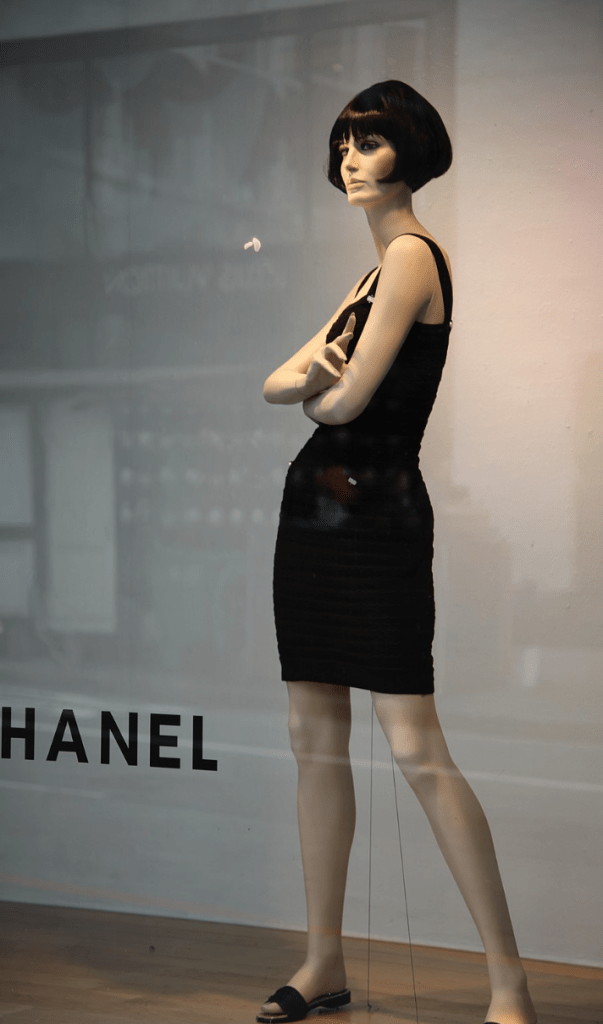
The little black dress, or LBD has always been a classic staple wardrobe piece for any occasion. But have you ever wondered how the LBD was created and who popularized it?

The little black dress, or LBD, became iconic thanks to Coco Chanel in the 1920s. Chanel created the little black dress in response to the need for a versatile and timeless garment that could be accessible to women of all social classes. Before Chanel’s innovation, black was primarily associated with mourning or reserved for evening wear. Chanel aimed to challenge these conventions by introducing black as a chic and practical option for everyday attire. By designing a simple, elegant, and understated dress in black, she revolutionized women’s fashion, offering a garment that was both sophisticated, versatile, and suitable for a wide range of occasions. Chanel’s little black dress embodied her philosophy of blending style with comfort and functionality, making it an enduring symbol of modernity and empowerment. It symbolized simplicity, versatility, and elegance, breaking away from the ornate styles of the time. Its enduring status as a classic is due to its timeless simplicity, versatility, and ability to adapt to various occasions and personal styles. It remains a staple in women’s wardrobes because it can be dressed up or down, making it suitable for almost any event or setting. Its minimalist design allows it to transcend trends, ensuring its relevance and elegance for generations to come.

Over the decades, it evolved. The LBD has been worn by countless celebrities and transcends trends by remaining a timeless fashion piece. While its core elements of simplicity and versatility have remained consistent, variations in silhouette, fabric, and embellishments have emerged to keep it fresh and relevant.

  • Silhouette: From the flapper-style straight silhouette of the 1920s to the figure-hugging sheath dresses of the 1950s, the silhouette of the little black dress has evolved to reflect the prevailing fashion aesthetics of each era.
  • Fabric: While the original little black dresses were often made of crepe or wool, modern variations may feature a wide range of fabrics, including silk, satin, lace, or even leather, adding texture and depth to the design.
  • Length and Hemlines: Hemlines have fluctuated over the years, ranging from the knee-length styles of the mid-20th century to mini or maxi lengths. High-low hems and asymmetrical designs have also been incorporated to add visual interest.
  • Necklines and Details: Necklines have varied from classic boat necks and V-necks to more daring plunging or off-the-shoulder styles. Additionally, designers have experimented with embellishments such as sequins, beads, lace overlays, and sheer panels to add flair to the timeless silhouette.

Despite these variations, the essence of the little black dress as a chic, versatile wardrobe staple has remained constant, ensuring its continued relevance in the ever-changing world of fashion.

Uncategorized

History of Prom

For many people prom is a special once in a life time event. But it also has a history that significantly evolved over the years. Here are some key ways in which prom has transformed.

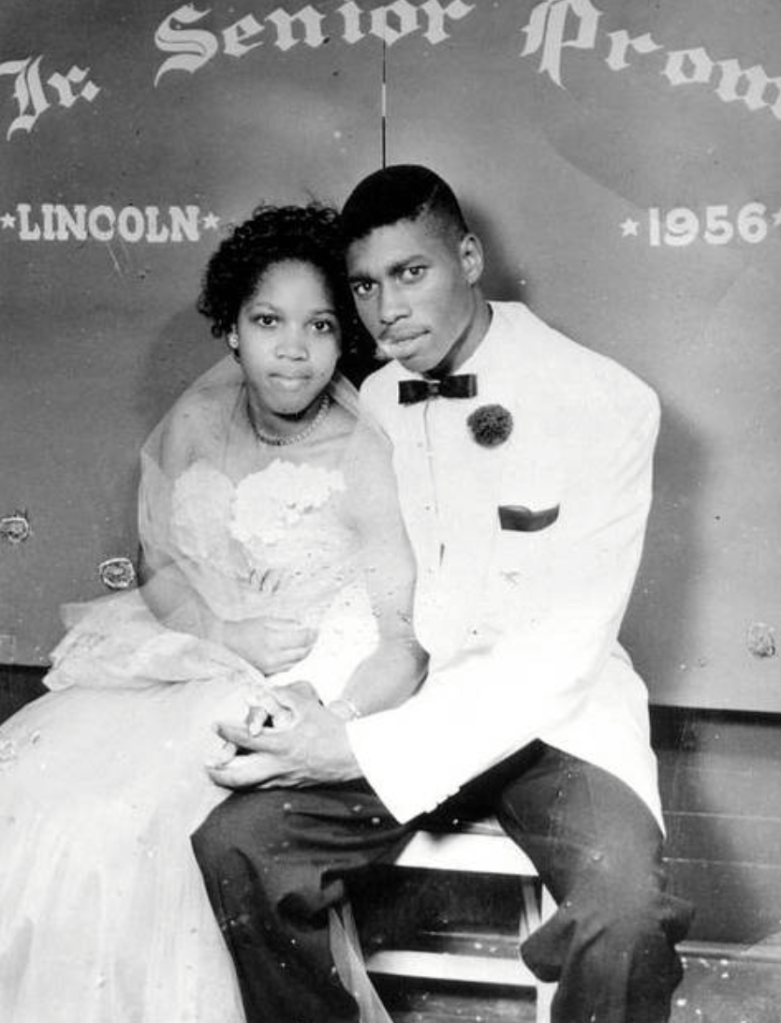
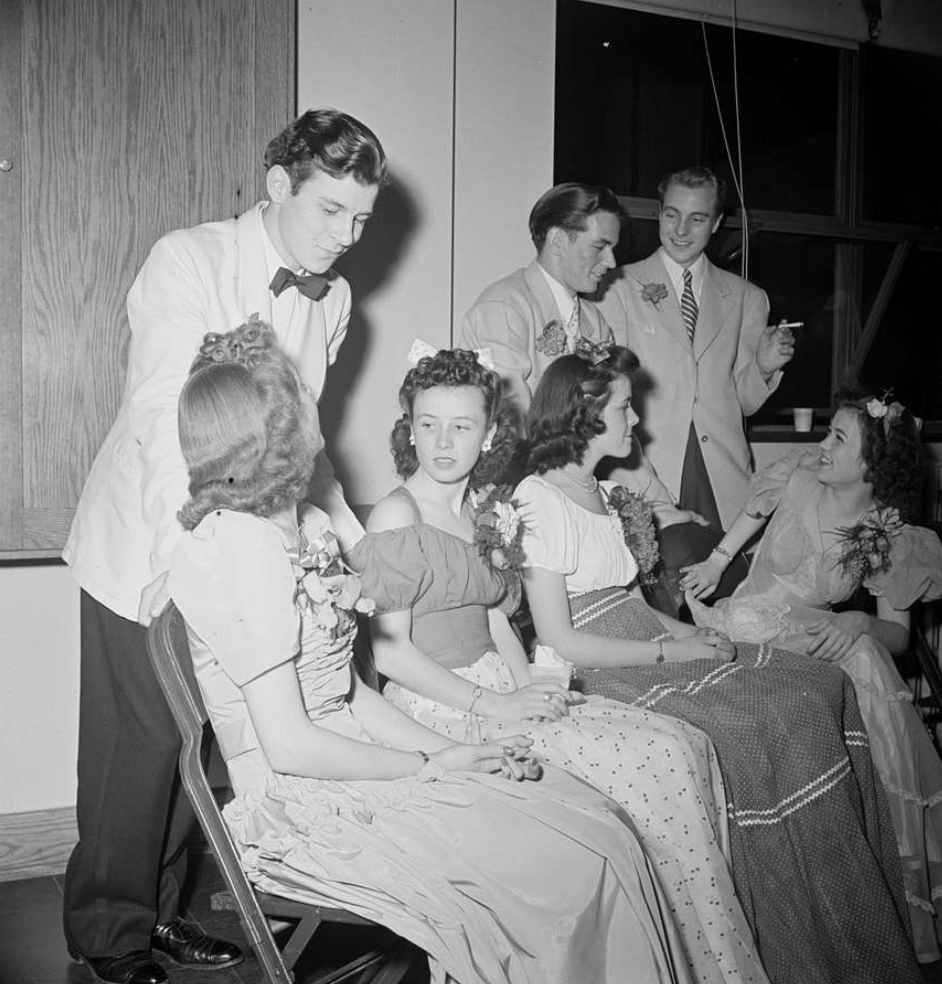
History: Present-day proms are quite different than its origin. The idea of celebrating youth as a transition to adulthood dates back to ancient Greece. The formal banquets were called “symposia” and held to honor elite men. The event included lavish banquets, speeches, music and drinking. In the 18th century Proms were still reserved for men in the form of tea parties for male college students and their prominent families. By the 1930’s it reached over to high school and included men and women in their senior year under strict supervision of teachers and parents. College proms were to celebrate wealth and social status. High School proms were to teach men and women etiquette as they transition to adulthood. By the 50’s prom was “THE” event of the year especially for the senior class and included the crowning of the King and Queen.

Social Significance: Prom has transitioned from a simple end-of-year dance to a highly anticipated social event, often considered a rite of passage for teenagers. It’s no longer just about the dance itself but also about the entire prom experience, including asking someone to be your date, pre-prom parties, and post-prom activities.

Diversity and Inclusion: Proms have become more inclusive, embracing diversity in terms of attendees, including students of different ethnicities, backgrounds, and gender identities. This inclusivity is reflected in the variety of prom dress styles and the acceptance of non-traditional prom attire.

Technology and Social Media: The rise of social media has transformed prom culture, with teenagers documenting and sharing every aspect of their prom experience online. From promposal videos to glamorous outfit photos, social media has become an integral part of the prom experience, shaping expectations and trends.

Cost and Extravagance: Prom has become increasingly elaborate and expensive, with some students and families investing significant time and money into prom preparations, including dresses, suits, transportation, tickets, and after-parties. This emphasis on extravagance has led to the rise of prom-related industries, including formalwear rental and event planning services. Today, proms are big business. A survey done by VISA corporation states that prom can cost upwards of $1000 per person which includes everything from tickets, dinner, attire, and after parties with the average family spending at least $350 for this one night event.

Fashion Trends: Prom dress styles have evolved over time, reflecting broader fashion trends. While certain elements like elegant ball gowns and sleek silhouettes remain timeless, the specific designs, colors, and embellishments have changed to reflect the fashion preferences of each era.

In the 1920s, flapper-style dresses with dropped waists and intricate bead-work were fashionable for proms. The 1950s saw the emergence of full-skirted dresses with cinched waists, epitomizing the glamour of that era.

The 1960s brought more diverse styles, from mod-inspired shifts to empire-waist gowns. The 1970s embraced flowing, bohemian designs with floral patterns and peasant-style sleeves.

The 1980s ushered in a bold and extravagant era, with prom dresses featuring exaggerated silhouettes, bold colors, and plenty of sequins and ruffles.

By the 1990s and 2000s, prom dress styles varied widely, influenced by trends in mainstream fashion, including sleek slip dresses, princess ball gowns, and sleek, minimalist designs.

Today, prom dresses continue to evolve, with a mix of vintage-inspired looks, modern trends, and individualistic styles, reflecting the diverse tastes and preferences of teenagers attending prom. Overall, prom has evolved from a simple school dance to a multifaceted cultural phenomenon, reflecting the changing values, attitudes, and aspirations of each generation of teenagers.

Uncategorized

Denim Through the Decades

Vintage T-Shirts and Jeans are highly sought after in boutiques and thrift stores. Here are key details to look for in jeans through the decades.

1920s
Jeans from this area were high-waisted jeans with a loose, straight leg. You’ll see suspender buttons or side cinch straps instead of belt loops. Trousers were made from raw, selvedge denim with minimal branding. The pants were worn for work, not for style.

1930s
In the 30’s jeans were high-rise at the waist with a wider leg. Check for cinch-backs, which were adjustable straps at the back of the waistband. You’ll see single-needle stitching and donut buttons.

1940s
From this era, jeans were mid-rise with a straight leg. Patch pockets and a button fly were the typical style. The standardized denim used at the time didn’t shrink as much as raw denim.

Photo by Pixabay on Pexels.com

1950s
In the 50’s jeans were back to high rise with a slim, tapered leg. Zippers replace the a button fly. And, the red tab on the back pocket, indicated the iconic Levi’s brand.

1960s
By the 60s low rise was the rebellion style with a slim, straight leg. A light wash with faded or distressed details were the trendy look. Levi change its logo and a small “e” on the red tab is present on jeans from the 60’s.

1970s
In this decade, jeans remain low rise but the flared leg or “bell bottom” was all the rage. Decorative stitching, embroidery, or patchwork were also popular. Jeans made in the 70’s have some stretch denim for a more fitted look.

1980s
In the 80s the style shifted back to high-rise with a straight or slightly tapered leg.
Acid-wash or stone-wash finishes were very popular during this decade.
Logo brands were prominently displayed on the back pocket.

1990s
Back in the 90’s, jeans were mid-rise with a relaxed, baggy fit. Wide legs or bootcut styles were the new trend. Distressed or ripped details were introduced by the grunge crowd.

Photo by NEOSiAM 2021 on Pexels.com

By understanding the key characteristics of jeans from each decade, you can better identify and appreciate the unique features of vintage jeans while shopping.

Vintage Fashion

Swatch of the Week

Challis

This luxurious fabric was a popular choice for designers in 19th and 20th centuries. Vintage dresses, blouses and skirts can all be found made of Challis.

Liberty of London Fashions often made garments from challis fabric. The intricate floral patterns and vibrant colors of Liberty prints made them highly sought after.

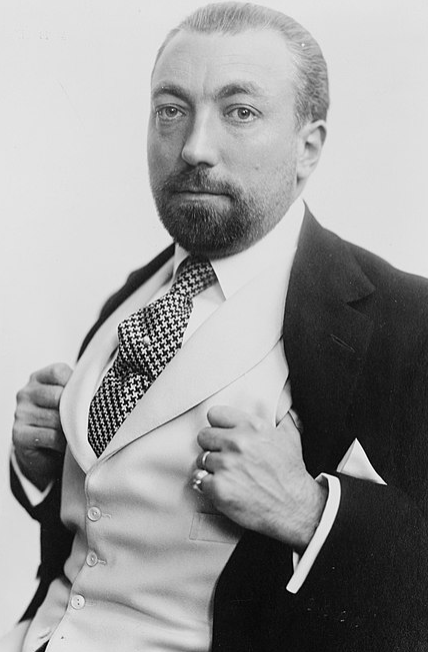
French designer Paul Poiret, known for his innovative designs, frequently used challis fabric in his creations. He appreciated the fabric’s fluidity and used it to create loose, flowing silhouettes.

Madeleine Vionnet, another influential French designer, also utilized challis fabric in her designs. She was known for her bias-cut garments, and challis fabric worked well with this technique, allowing the fabric to drape beautifully on the body.

Challis fabric was favored for its versatility and comfort. It was often used to create feminine, romantic garments with delicate details. 

Vintage garments to look for that may be made from challis fabric include:

• Dresses: Challis fabric was commonly used for dresses, especially those with flowing skirts and soft draping. Look for vintage dresses with intricate prints or delicate floral patterns.

• Blouses: Challis blouses were popular during the early 20th century. They often featured ruffled details, lace inserts, or pintucks, adding a touch of femininity to the garment.

• Skirts: Challis skirts were typically lightweight and comfortable to wear. Look for vintage skirts with pleats or gathers, as these details were commonly seen in challis fabric.

If you are lucky enough to find vintage garments in this popular fabric it is essential to handle them with care to preserve their delicate nature. Here are some tips:

• Handwashing: It is recommended to handwash challis garments using a gentle detergent. Fill a basin with lukewarm water and a small amount of detergent. Gently agitate the garment in the water, then rinse thoroughly.

• Drying: After washing, carefully squeeze out excess water without wringing or twisting the fabric. Lay the garment flat on a clean towel and reshape it to its original form. Allow it to air dry away from direct sunlight.

• Ironing: If necessary, iron the challis garment on a low heat setting. Place a clean cloth or pressing cloth between the iron and the fabric to protect it from direct heat. Avoid using steam, as it can damage the delicate fibers.

• Storage: Store vintage challis garments in a cool, dry place away from direct sunlight. Avoid hanging them, as the weight of the fabric can cause stretching. Instead, fold them carefully and place them in a clean, breathable storage container.

By understanding the historical significance of challis fabric and knowing how to care for vintage garments made from it, you can appreciate and preserve these unique pieces of fashion history.