
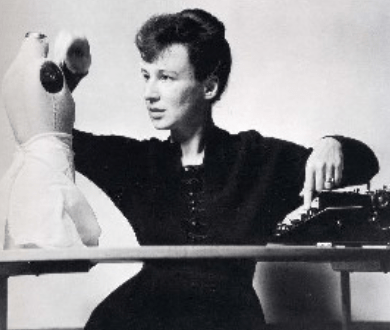

This American fashion designer and writer, made significant contributions to the fashion industry in the mid-20th century. Elizabeth Hawes was born on December 16, 1903, in Ridgewood, New Jersey, to a progressive family. Her father was an architect, and her mother was a women’s rights activist. This upbringing in an intellectually stimulating environment influenced her future career in fashion and her commitment to women’s rights.
Hawes began her fashion career as a copywriter for a New York department store. She later worked as a fashion journalist and editor, gaining insights into the fashion industry. In 1928, she established her own fashion company, Hawes, Inc., which allowed her to create designs according to her own ideals.

Hawes’ impact on the fashion industry was ground breaking. She was a strong advocate for individuality and believed in designing clothing that suited the unique personality and lifestyle of each woman. This is one of many reasons why her vintage pieces are still sought after today. She supported fashion houses that made unconventional clothing. In fact, while Elizabeth Hawes was working in Paris, she regularly wore garments from the fashion house Callot Soeurs. Hawes insisted that people should wear what they personally liked, not what was considered fashionable.
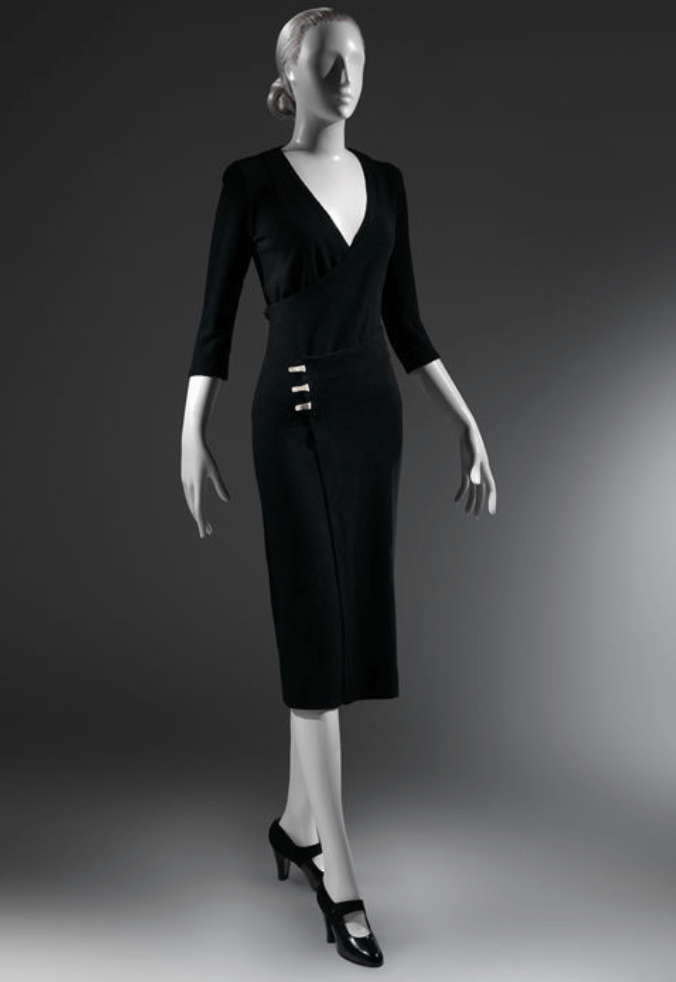
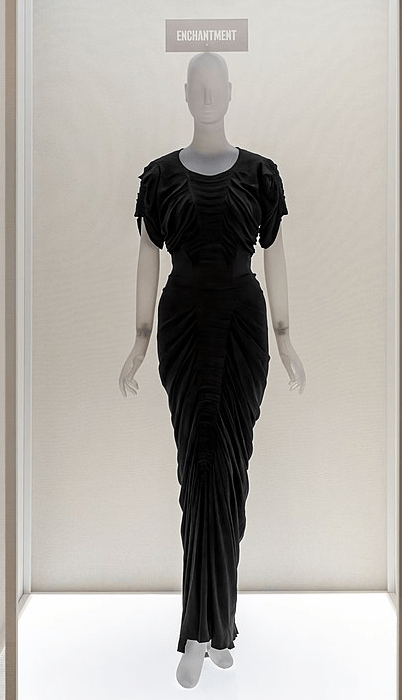
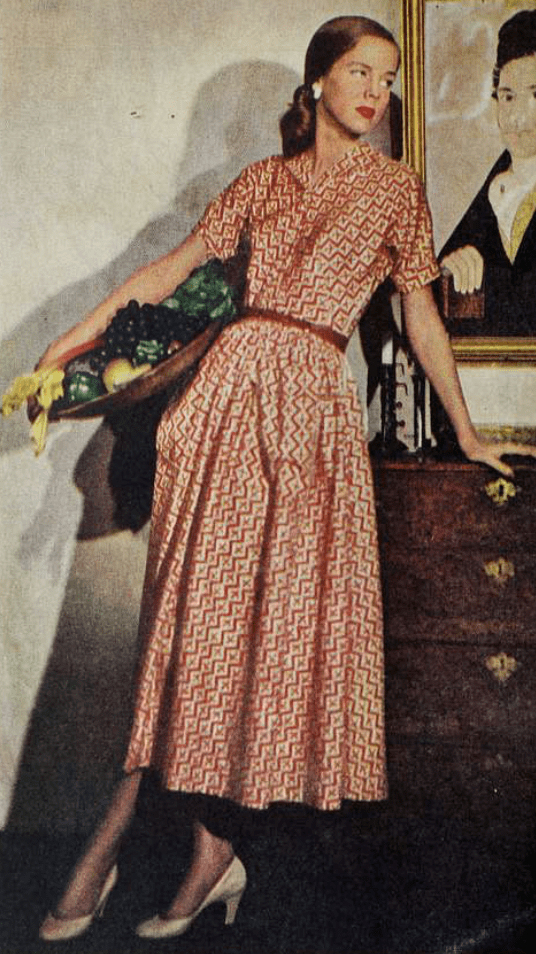
This was important because buyers at the time considered Callot Soeurs’ dresses out of date and unfashionable. However, Hawes happily wore their “simple clothes with wonderful embroidery” that lasted for several years. She was also notable for being among the many early designers to champion ready-to-wear clothing, aiming to make high-quality fashion accessible to a broader audience. Vintage Hawes ready-to-wear pieces reflect this innovative approach. Vintage Hawes pieces are appreciated for their usability and versatility. She believed in practical, functional fashion, incorporating features like pockets, removable collars, and reversible designs. These distinct features make her designs more comfy and casual. Hawes’ legacy continues to influence contemporary designers who appreciate her emphasis on individual expression and functionality in fashion. Her vintage pieces are treasured for their unique and forward-thinking design principles.

















 fashionpastforward.com