
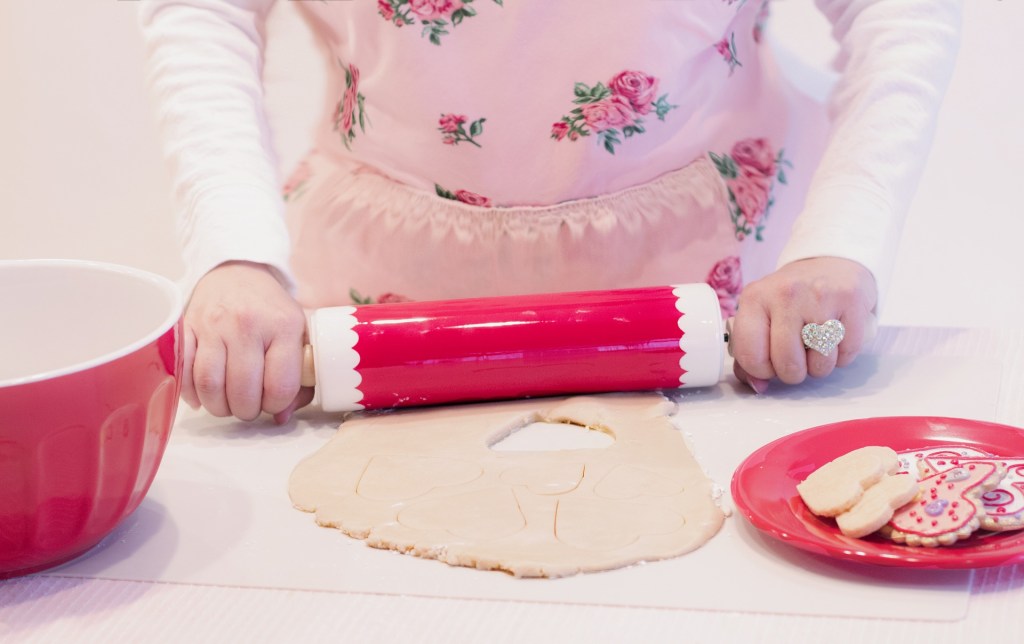
During the pandemic, you may have been forced to spend more time at home. Many of you have rediscovered simple at home activities like cooking. How does cooking relate to fashion? Well, the most essential fashion statement made for cooking is the apron. This iconic garment has a long history of use beyond the kitchen.

The word apron was originally derived from the French word ‘naperon,’ meaning small cloth and had no connection to today’s kitchen or cooking use. Used as a cover garment, it was originally intended as a loincloth. In ancient Crete, the apron is seen draped around figures of the Fertility Goddess, while in ancient Egypt the Pharaohs often had their aprons incrusted with jewels.
During the middle-ages aprons became more utilitarian and were worn by common workers and tradesmen. Cobblers wore black aprons as to not stain their clothes while working on shoes. However, some noble lads wore fancy aprons with their gowns as well. By the 16th century aprons became a fashion statement and have gone up and down in popularity ever since. Even Natives wore aprons for both practical and ceremonial reasons while pilgrims wore aprons as a symbol of hospitality.

During the 1940s and through the war years, families were commonly separated. After WWII, homecooked meals and being together were more appreciated and the apron became the symbol of the suburban housewife. People were prioritizing family and staying at home much like we have experienced during the pandemic.
Over time Men’s aprons were made for grilling while women’s aprons were made for cooking and baking. By 1960s the image of the housewife became less favorable, and women wanted more opportunities beyond the kitchen. So, aprons went out of style.
During the pandemic, people were spending more time at home, and cooking their own meals once again. The apron has made a big comeback with many styles for women and men.


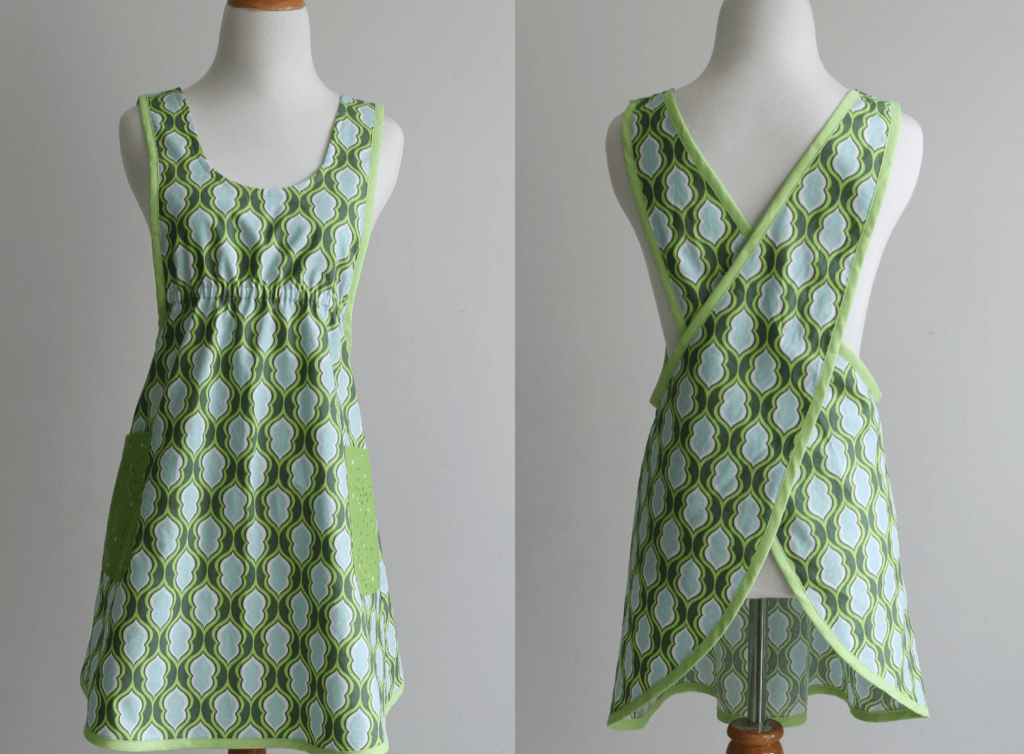

Half apron: small piece of fabric that extends from the waist to mid thigh
Bib apron: apron that covers the chest and ties around to neck
Cross back apron: aprons that feature straps crossing in the back
Pinafore: includes extra over the shoulder decorations such as ruffles or ribbons
As I researched this topic, I found many people have emotional memories connected to aprons. Whether it was the first garment they learned to sew or memories of grandmothers in aprons baking cookies and cakes, the apron has a place in history and in our hearts.
Do you wear an apron? Do you have an apron memory? Tell us your apron stories or show us your new or vintage aprons in the comments below.

 fashionpastforward.com