
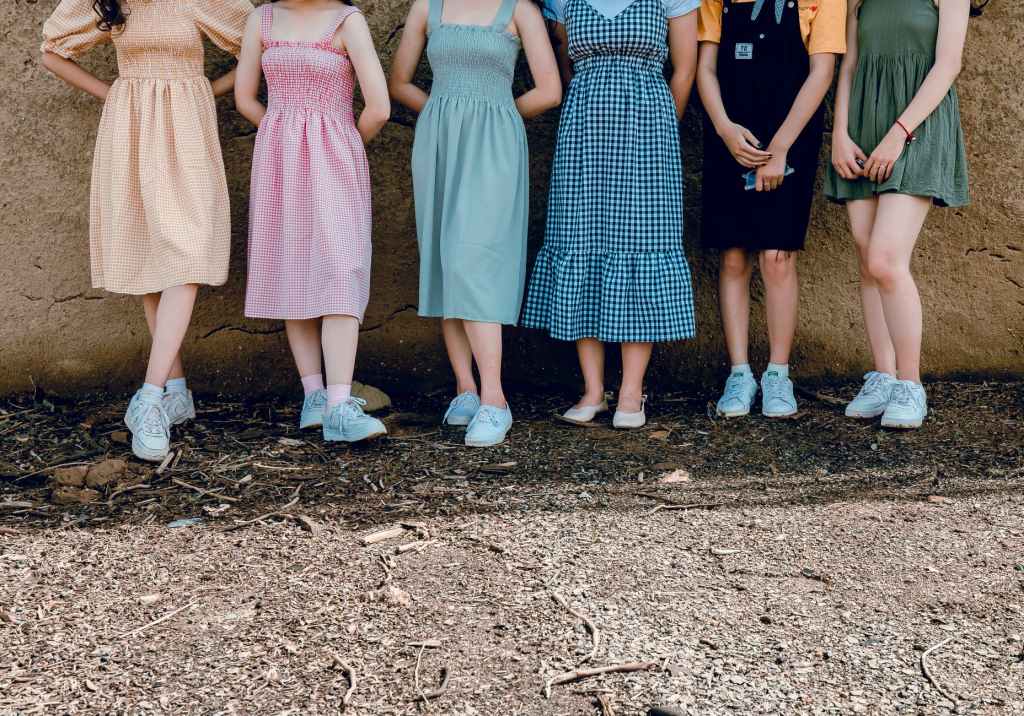
It might seem crazy that centuries ago women were not “allowed” to wear short skirts or even pants, but it is true. The ups and downs of hem trends have a direct connection to historical events. Following the hem lengths throughout our modern history shows how moments in time set the standard for fashion trends of the day.
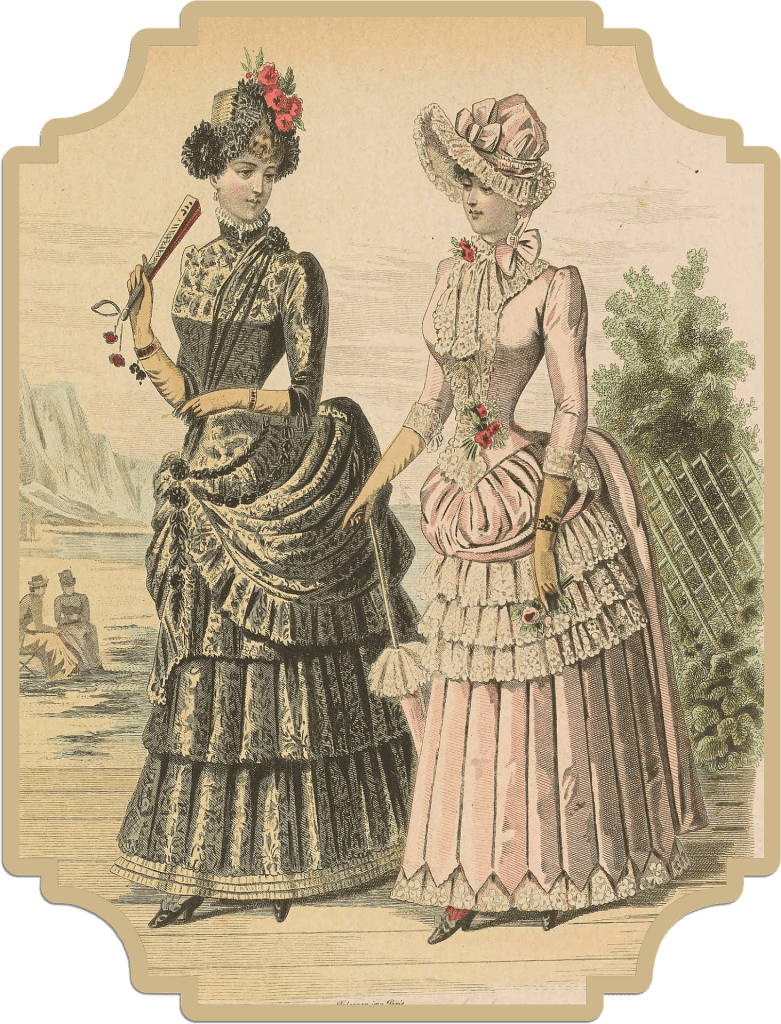
Let’s start with the Victorian era. Victorian skirt lengths went all the way down to the floor with full coverage of the legs. While the lower body was fully covered, the upper body was form fitted at the waist and bust. It was quite acceptable to expose shoulders and cleavage, especially in formal wear, but skirts required full length.

In the 1910’s the Hobble skirt became popular. The skirt was wider at the hips and then narrowed below the knees requiring a woman to hobble as she walked. This made the hips look bigger but restricted the movement of the lower legs so much so that many woman had stumbling and falling accidents due to the restrictions around the legs of the skirt. Needless to say, the trend faded quickly.

By the 1920’s skirts became less restrictive and more comfortable as the flapper style became widely popular. This style focusses on trying to create a flat chest and square hips as a way of rebelling against the feminine style that came before it.
In the next decade of the 1930’s, hemlines were worn between the ankles and knees with waistlines reverting back to the more feminine form. It was the time following the great depression where style was not as important. Most women were just happy to have cloths on their back. Make do with what you have was the style.
During the war years of the 1940’s, skirts below the knee were back in. Women were choosing styles based on comfort. However, due to rationing of resources during the war, fabric was not readily available and skirts lengths were shortened to just below the knee. The hem itself was requested to be no wider than 2 inches so as not to waste fabric.

After the war years, as the 50’s rolled in, fabric was once again plentiful. Skirts in a longer “tea length” became popular. Some were form fitting, extra long and drew attention to the feminine hour glass shape. Others were more full, flowing or pleated.
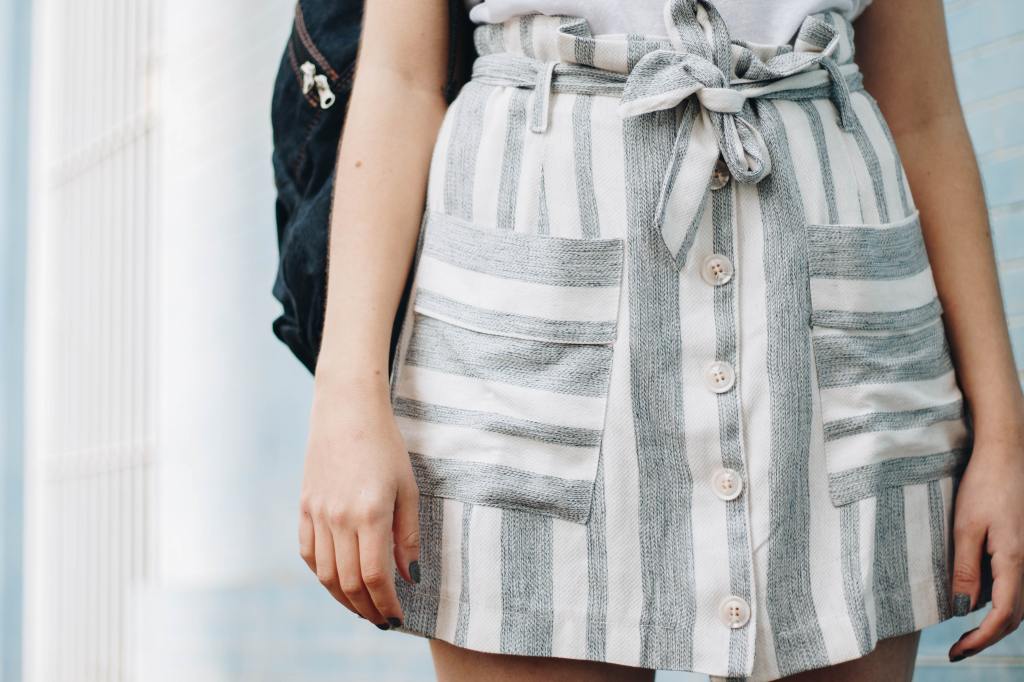
By the 1960’s the Miniskirt made its debut as teenagers wanted to rebel from the standards set by their parents. It also caused a huge uproar as the previous generation shamed the young women who would wear them. As a result, there were protests in order to stop this kind of reticule, and miniskirts became more popular than ever.
After the mini skirt, the 70s introduced an even shorter version, called the micro.
The rise and fall of hem lengths over the years are a direct reflection of moments in history. Today, variations of all these styles can still be seen as we freely match the length with our activity, personal style or comfort level. Freedom to choose any length is the current style.
BRINGING IT FORWARD

Here is a breakdown of fashion vocab for hemlines
• MICRO SKIRT– it is the shortest hemline and is best suited for night clubs or parties.

• MINI- Sometimes a tricky length. Is it too short for work? In some jobs, if paired with leggings or the right boot it can be acceptable. Mostly you have to judge by your own comfort level. If you can rock it with confidence wear it, but if you’re pulling it down and tugging at it as you walk or work, it’s best to go longer.

• KNEE LENGTH OR BELOW KNEE – The perfect choice for work. Always a safe, sharp, professional look. Your choice of flats, heels or boots changes the look as well.
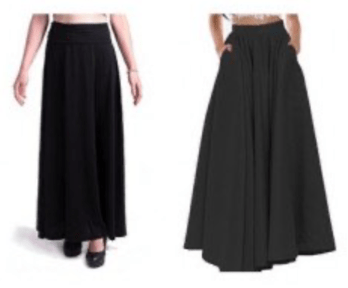
• MIDI AND MAXI – A trendy popular choice right now for sundresses and every day wear.
• ANKLE AND FLOOR LENGTH – reserved for more formal events.
In addition to the length, skirts can range from form fitting to loose, flowing and flirty in all lengths so, there is much to consider when making the choice. As always, choose a length and style that is most comfortable for you.

 fashionpastforward.com