
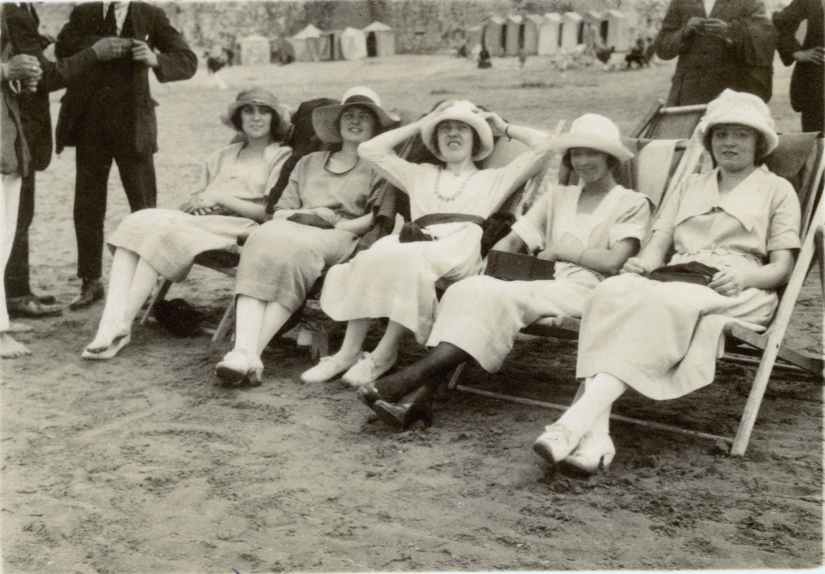
I recently started making a transition in my wardrobe from college casual to professional business attire. It made me think about the history of workplace dress codes throughout the ages.
I discovered that during the Hellenistic Greek period men were hired as “Controllers of Women.” Can you believe that? These “controllers” were hired to ensure women dressed appropriately modest and did not spend too much money on clothing. The “controllers” were chosen to enforce strict dress codes for women during festivals and public events. This was a strange practice that would never, and rightly so, be acceptable by today’s standards.
Later, during the plague, Charles II ordered his all of his nobles to dress the same in preapproved tunics and britches. This was the first time that strict dress codes were enforced on the job.
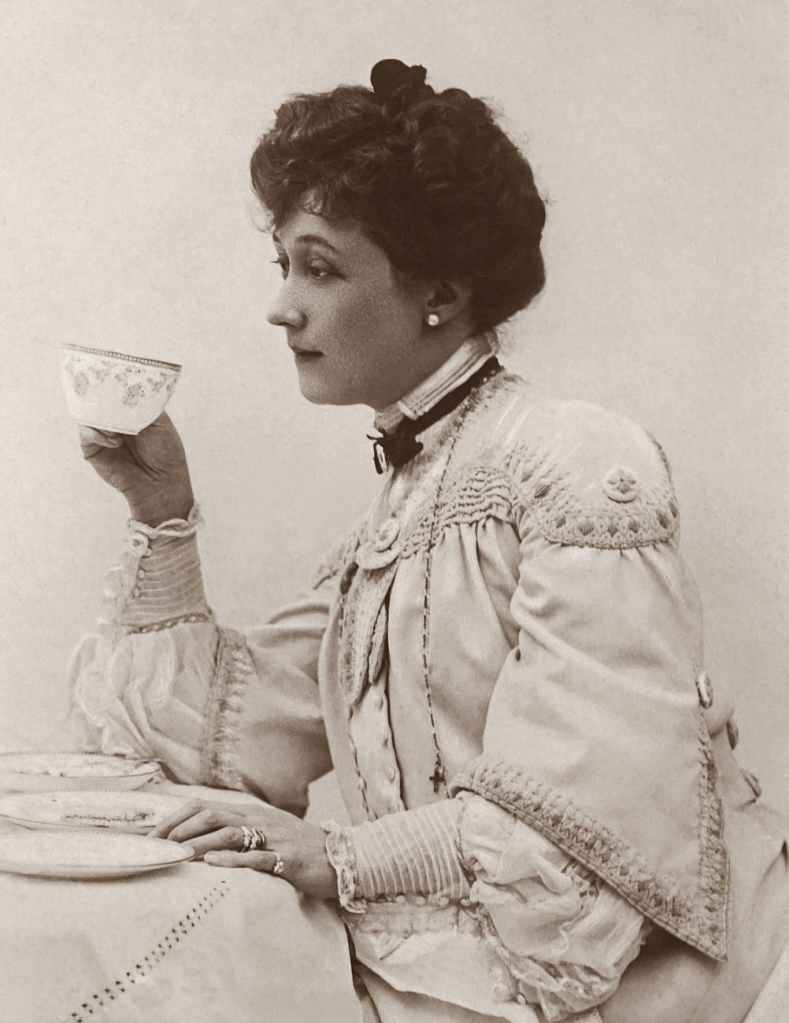

For women during the Victorian era, the tight fitting corsets kept women from being active just by the mere restraint of not being able to breath. They were also required to change clothes several times within the day to meet the dress standards for each activity. Morning clothes were distinctively different from afternoon tea or dinner dresses. Can you imagine having to go through the hassle of changing layers and upon layers of clothes for every activity in your day?
Tailoring for a perfect fit came about in the 1800’s and it was originally for men who had to attend formal events. Eventually, Savile Row, London’s famous tailoring shop, fitted suits specfically for civilians in the work force and the business suit became a trend that every man had to wear while on the job.

Luckily today we have much more flexibility and control of our own style on the job. But, some dress code rules never go out of style. Here are a few things to remember when choosing the right professional look.
- Keep it sharp. Don’t wear wrinkled or dirty clothes
- Get the right fit. Don’t wear anything too tight or revealing
- Dress for the job you want. Don’t wear your club clothes to work.
- Casual Friday doesn’t mean anything goes. Don’t wear t-shirts or messages on your clothing.
- Dress with style but also for comfort. You will be more productive if you are comfortable in well fitting clothes while showing a little bit of your own style in a professional way.
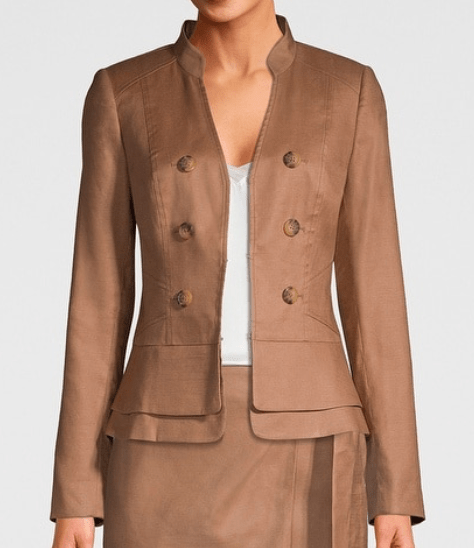
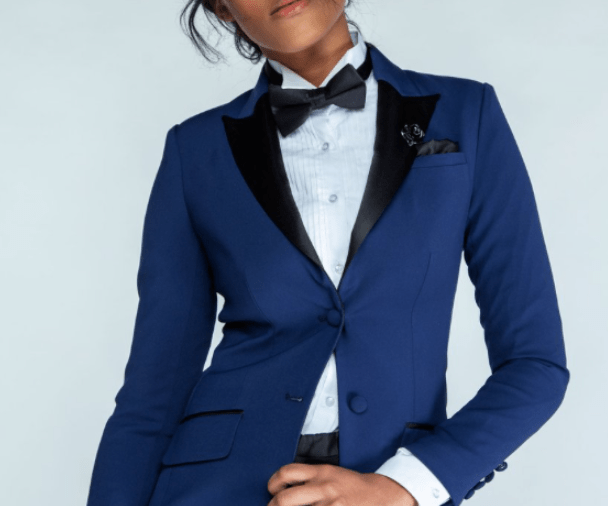

LEARN MORE
THE FASCINATING HISTORY OF WOMEN WEARING SUITS

 fashionpastforward.com